Is planting trees a good idea?

DSC_2310Is planting trees a good idea?  Recently its been announced that to counter Donald Trumps decision to pull the US out of the Paris climate change treaty.  A group of people in New Zealand has started an on-line pledge page for donations to plant 10 billion trees worldwide.  This is an area the size of Kentucky.

This is to balance the total emissions that Trumps policies will put in the atmosphere by 2025.  650 million tonnes.  Planting trees is always a good idea.  As this blog has noted particularly in urban areas they have positive environmental, health and wellbeing effects.  Sticking it to Trump on almost anything at the moment has my support.  There is also a websearch engine Ecosia which uses the revenue from your searches to do the same thing.  It gives an implausible counter on how many have been planted so far.  The number is not, its the rate this number goes up that seems a bit rapid to me.  That being said I use it as my homepage and default search engine.

However my concerns are not with the idea but the long term implementation of the idea.  These trees need looking after.  Forests need management.  Walking with a group of people on Skye we came across the remains of trees that had been planted as a carbon offset by a well known rock band.  They had almost all died, largely defeating the purpose (some carbon was tied up in their remains).

The advantage is that trees can be planted very quickly (if not perhaps as fast as Ecosia claim) and when young absorb carbon very fast.  We need to stop deforestation worldwide so anything that can help in this regard is great.  But we should not rely on this without guaranteed protection and management.  Better still is not to put the carbon into the atmosphere in the first place…

Neil

Posted in climate change, Lifestyle, Nature, Practical low carbon living, Uncategorized | Tagged , | Leave a comment

Truck platoon

Road_train_(6)This morning the UK government announced they were trialling a “truck platoon”.  A truck platoon is a convey of (at the moment) semi-autonomous trucks.  Up to three I believe.  This is the first time I’ve heard of this idea, as it was this week its the first time that I have heard of motorways fitted with overhead wires so that trucks with pantographs can use electricity for part of their trip.  This is happening in Germany and is being trialled on some autobahns.  Each truck platoon is controlled by one driver by wifi.

This idea has been trialled in other parts of the world.  It being sold as partly being good for the environment.  But is it?  Its a little known fact but trucks have appalling economy.  Even diesel powered trucks cannot manage as much as 10mpg (usually about 7 in the EU and about 5 in the US).  There are two possible reasons why driving in close convoys as a truck platoon might help fuel economy.  The first is that they all will drive at a consistent speed.  The second is that driving close to another vehicle reduces drag.  Cyclists like Chris Froome utilise this effect in the Tour de France.  I can see both reasons for improvements in economy as being valid.   I think the effect will be marginal.  However I think the real reason is to get autonomous vehicles on our roads.  This will wipe out a whole sector of jobs and despite having being driven in a car with semi-autonomous cruise control I’m not sure I’m happy about driverless trucks on our roads.  If you want major  improvements in fuel economy then you need to look elsewhere in the trucks’ design.

Neil

Posted in Transport, Uncategorized | Tagged , | Leave a comment

Bees

I’ve been meaning to write a post on bees for a while.  This week I read an article that said recent research suggested that bees were not visiting bee friendly plants as much as was thought.  This post (mainly pictures) will concentrate on bumble bees since I rarely see a honey bee in my garden nowadays.   This is part of an ongoing problem with bee numbers.  Honeybee populations have declined massively in recent years.  A wide variety of things have been blamed from nuclear power to climate change to insecticides.  But certainly some of the same factors affect bumblebees which have also declined in numbers.

Bees are important since they a systematic pollinators.  By that I mean they work a plant over.  Other insects wasps, flies, beetles and hover flies will pollinate plants but visit flowers on a random basis.  Hence the importance of these insects.  Even plants that are self fertile do better with pollination.  We get 5-6 different types of bumblebee in our garden as well as some types of solitary bee.  Here are some of them.  I’ve been trying to photograph them, which is not easy.

Bumblebees build small nests often using grass and other materials.  They contain up to about 200 insects.  They often nest in roofs (we have had at least one).  It forbidden to to destroy the nests under UK law and they rarely cause trouble unlike wasps or honeybees  where the nest gets very large and can damage the building.  Bumblebees can sting many times (in fact the only bee I’ve been stung by was a bumblebee) but are very none aggressive.

Bombus terrestris, buff tailed bumblebee (worker)

cuckoo beeBombus hypnorum, the tree bumblebee queen.  This species has benefited from climate change and is now found in Southern Scotland.

Bombus hypnorum the Tree bumblebeeBombus pascuorum, common Carder Bee

common carder bee

These are most common one I see, they seem to go in stages in that one particular species works one plant at at time.

The bees visit all the flowers in the garden that the article above says they don’t.  One of their favourites are the thistle which I’ve photographed them on above since they have to work at getting the pollen on this.  They also love common sage, a type of salvia from south Africa that no insect seems to be able obtain anything from but they try, Lavender, Oregano, echinops.  They quite like nasturtiums and inula.

I hope this short blog has given you a bit of insight into these important insects which we rely on so much and need all the help they can get.

Neil

Posted in bees, climate change, Creation, Nature, other, Uncategorized | Tagged , , | Leave a comment

One thing we have learnt this week – biochar from poop

undefined

Reaction vessel where faeces is converted to biochar research in the US.

Biochar was seen as one of the miracle cures for climate change nearly 10 years ago.  Like so many eco solutions greatly exaggerated claims were made about its ability to solve the climate crisis.  George Monbiot who hates all miracle cures (apart from nuclear power) makes a justified critique here.  Nevertheless even he conceded that it may have a niche role.  In Kenya one of the local water companies has found a way of turning poo into a fuel.  I call it biochar since it does contain other plant based products.  If you are eating turn way now.

The local water company collects poop from latrines and septic tanks.  Then it dries it in the sun.  Then it its it to 300°C and adds sawdust.  Finally molasses is added to the product as a binder.

There are 3 big problems this product helps to mitigate.  First, one major problem in the developing world is people cutting down trees to make fuel for cooking (not the only reason of course that trees are felled).  One of the big wins and easy ways of cutting emissions would be to stop deforestation.

Related to this is the use of paraffin or open fires to cook on.  Both create respiratory disease problems due to the release of particulates and paraffin obviously has a oil dependency. This product is being sold at a competitive price with these.

The last problem is that of health due to the spread of faecal bacteria.

One claim made about biochar is that its carbon negative (if you read the Monbiot article above you can see this could vary).  This product cannot be carbon negative since it involves heating to high temperatures and the addition of plant based products.  Nevertheless it seems to me press a number of the right buttons.  Another alternative that is going on all over the developing world is the use of poo to make biogas.


Neil

Posted in One thing we have learnt this week, Practical low carbon living, recycling, Uncategorized | Tagged | Leave a comment

Energy Africa

DSCN1669Energy Africa – there is a boom going on in small scale renewable energy in Africa.  As this blog has covered TEARFUND have a campaign to get the UK government to fund very small scale off grid solar power.  I was poking around the Department for International Development’s (DFID) website the other day for another reason and came across a large number of projects relating both to off grid stuff (almost all solar) and some on grid renewables (also solar with other technologies undisclosed).

The programme for small scale solar is called Energy Africa.  This somehow hopes to lever in private cash to help provide householders with small off-grid systems.  As I put in the post linked to above its hard how to see how this will happen since this is a classic market failure.  That is something that will create a large number of private sector jobs installing and maintaining the equipment as well as other jobs from other businesses that flow from this.  However its difficult to see how the private sector can make money from providing the systems themselves.  (Mobile phones in particularly Kenya does off a model however, although the investment by individuals would need to be bigger.)

Sierra Leone Somalia, Ghana, Malawi and Rwanda are all signed up.  One criticism of the scheme is that Africans need on grid electricity.  This is true at some point but at the moment providing that would be vastly expensive.  By starting here you build capacity knowhow and as hopefully small systems expand you create bit by bit the backbones of a grid system.

Neil

Posted in Practical low carbon living, Renewables, Uncategorized | Tagged , | Leave a comment

One thing we have learnt this week – tourism pressures

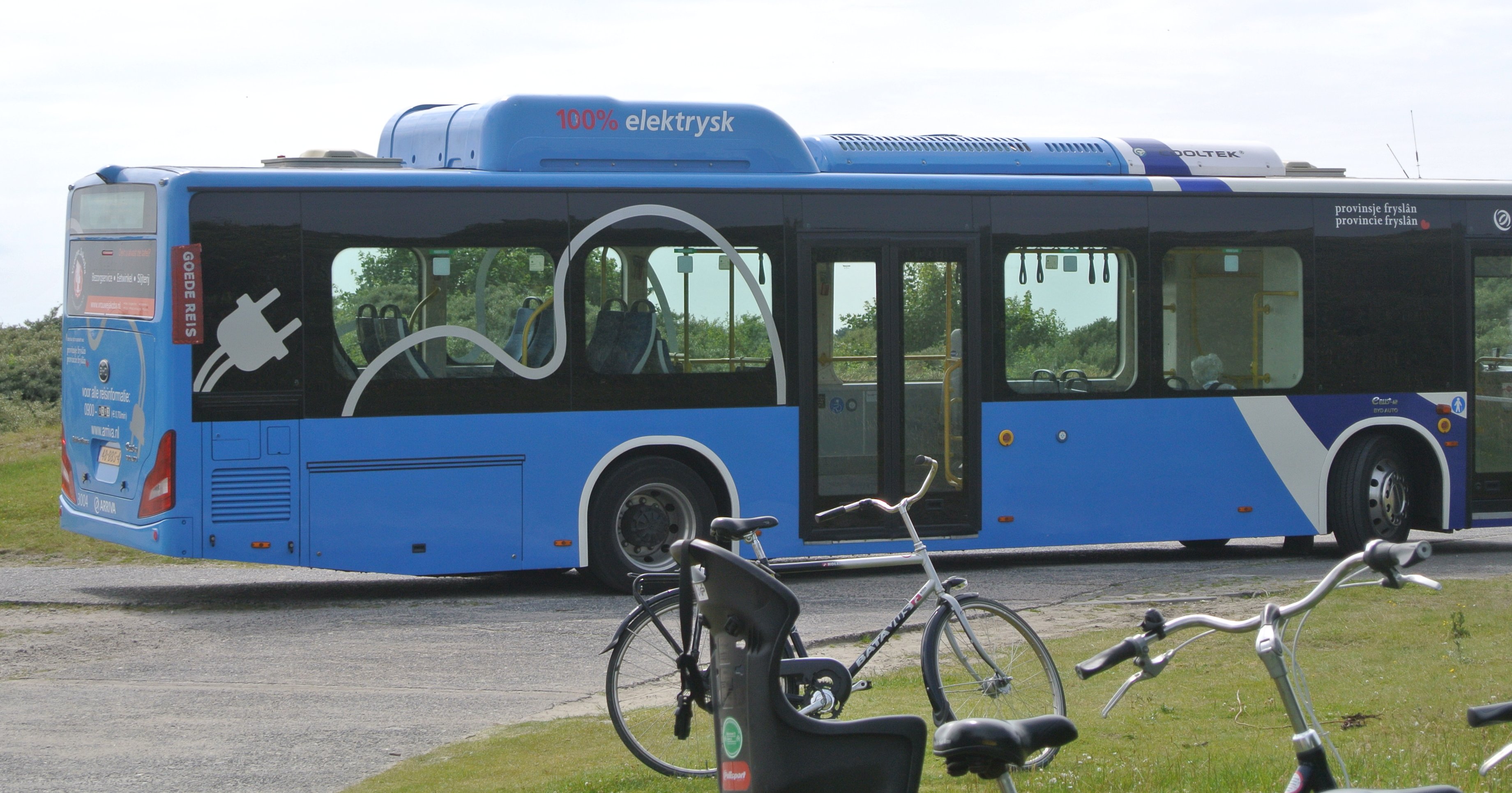
electric bus island of the monksThere has been a lot in the news this week over tourism pressures.  From protests and even attacks in various parts of Spain to huge pressures on the Isle of Skye and continuing problems in Venice we do seem to have reached some kind of tipping point as far as the locals in very popular tourist destinations are concerned.  Controversy abounds over Airbnb and the tax take from its rentals and pressure its putting on local services and even places for locals to live.  in the Balearic islands people who rent out there rooms without a licence will face an enormous euro 400,000 fine.  There are questions over the trickle down effect of money reaching the locals and of course of the sustainability of travel due to climate change.

I cannot claim to be anything other than part of the problem of tourist pressures.  I have been to some of the top tourist destinations in the past (including Venice, which is under huge pressure).  I also live in a country that is a top 10 and in a city that is one of the most popular destinations in the world with a huge international festival on at the moment.  I see change around me.  My near neighbours are doing Airbnb in their house and short term lets opposite.  They are doing nothing illegal to the best of my knowledge.  The traffic today seemed far worse cycling home, tourists?  Maybe.  Despite the pressures I don’t feel my adopted home is being ruined by tourism.  Where there are problems they are due to planning decisions made by the council for other reasons.  The local economy has to benefit to an extent due to local renting out their rooms and the proliferation of restaurants.  What to do about tourism pressures?

Firstly, providing people are not behaving illegally then we should welcome tourists to where we live.  Violence and intimidation have no place in what is supposed to be a meeting of minds and cultures.

Second, its up to us to make sure by pressuring governments that companies and individuals pay their fair share of tax.  This is course easier in your home country and in democracies.  There is an argument for restricting Airbnb’s and the like through the planning system.

Third, we need to green up transport (the Dutch bus above being a very small example) as far as possible.

Last, we cannot say that Chinese or Indians cannot travel any more than anyone else (most tourists where I live are white anyway).

Ultimately we all need to travel more slowly and less often.  However I recognise the above are weak and partial solutions to what is becoming a major global issue.  We live in a very narcissistic culture and with rising middle class in the developing world these tourism pressures are only going to increase.  Any ideas welcome

Neil

Posted in Lifestyle, One thing we have learnt this week, Slow living, tourism, travel, Uncategorized | Tagged | Leave a comment

UK solar potential

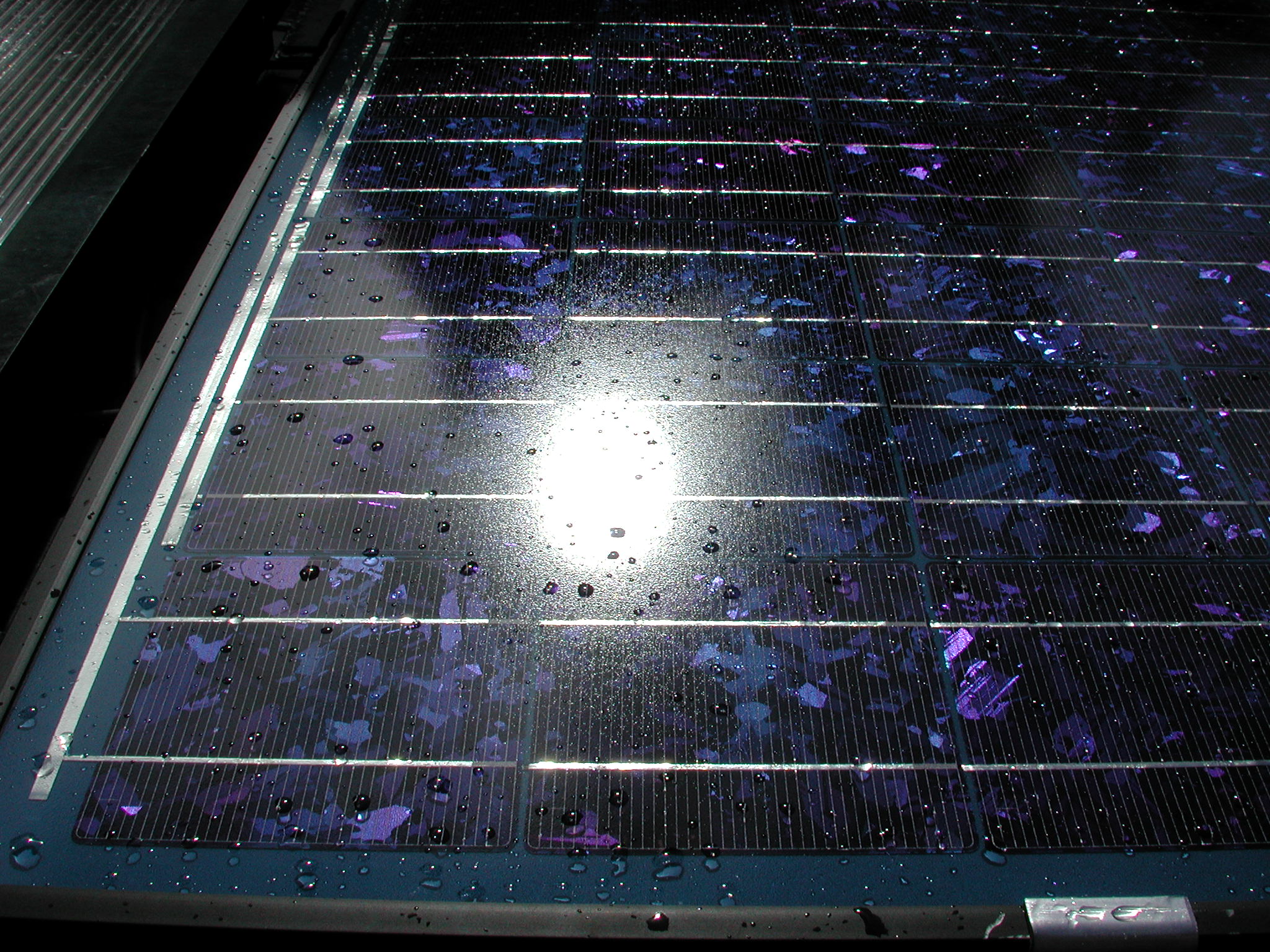
954838_204501379701698_1765426126_nWhat is the UK solar potential?  That is what I’ve been asking myself over the last few weeks as I have written some of the recent blog posts.  I revisited Renewable Energy Without the Hot Air by the late great David McKay (who my brother knew quite well).  He says the theoretical upper UK solar potential is 1260GW (actually this is the quantity of capacity needed to produce 50kWh/day/person).  He reckons this is 5% of the UK’s land area and regards this as almost inconceivable.  But is it?  Quite a lot about McKay’s book is out of date.  Offshore wind power and solar costs and capacity are much more favourable than he envisaged.  Also population has risen so getting to that figure is actually more difficult.  Getting the actual theoretical UK solar potential is actually quite challenging but I found a recent blog post that suggests that all our needs could be met with just 1% of the land area.  So who is right?  Lets have a look at the maths – I’m writing this with a completely open mind and I am going to be very conservative.  I have made the assumption that we will use domestic roofs and commercial roofs only.  Actually most of the UK’s capacity is in fields.  I don’t have a huge problem with that but think that 5% would be excessive if this was where the systems were.  Other non-domestic building types have really yet to take off as far as solar is concerned.

Domestic

The first thing we need to think about is power output.  In the UK I have assumed an average of 750kWh per 1kWp of capacity.  This is on the low side but takes into account using non south facing roofs.

The next thing is to think about the roof size.  The Energy Saving Trust have done some work on this.  They say the most common size of installation (2015) was 4kW which takes just under 29m2.  I find this surprising since I see very few installations of this size.  I am going to assume an average of 2.

How many domestic roofs are there? The BBC say 25 million in 2004.  However 17% are tenements or flats.  Although putting PV on some of these is not impossible and there are such systems its definitely more complicated so I’ve assumed none do.  This is 20.75 million

Put it all together.

= 750 x 2 x 20.75 x106 = 31125000000kWh.  A huge figure.  However its more helpful to think in terrawatt hours (TWh) which is the country scale consumption unit in a year.  Divide by 1000 puts it in MWh and then by another 1000 puts it in GWh finally another division by 1000 puts it in TWh.

so this by my reckoning gives us 31.25TWh a year.   This is a lot of electricity but not more than 10% of current yearly demand.

Commercial

How about “commercial*” roof space?  DECC (now renamed) suggested in 2014 there is 250,000 hectares of south facing roofs in the UK (funnily enough this is about 1% of UK land area).  This is 2.5 x 10⁹ m2.  Divide this by 29m2 which give you the number of 4Kw systems you could fit on this roof.

Again put it all together.

2.5 x 10⁹ / 29 = 86206896 x 4kW.

This would generate in a year = 86206896 x 4 x 750 = 258620688000kWh.

Again divide by 1000 three times.

= 258TWh.

Adding these two figures almost gives what we do use now.

So at the moment we could meet all our needs (almost) in theory.  McKay was right meeting a large amount of our future needs from solar would be a struggle when you take into account heating and transport without putting a lot of stuff in fields.  However I would add the commercial roofs do not include other directions of which East and West work pretty well, this could almost triple the above figure (think about it).  In addition PV modules are are getting steadily more efficient.  On an individual system basis this is just significant but with well over 100 million panels would help somewhat.  No one is suggesting that we should try to run our entire energy system off solar.  That would be crazy and lead to a huge number of problems however solar can make a huge contribution to our energy scene and we have really only just scratched the surface of its potential.  Please feel free to correct my maths or method

* includes government buildings such as hospitals MOD etc.

Neil

Posted in Peak oil, Practical low carbon living, solar, Uncategorized | Tagged , | Leave a comment

One thing we have learnt this week – electric dreams again

charging point for electric carsElectric dreams again.  The grid is changing and our means of transport is also changing (or at least what powers it).  The problem is a fully electric road system will lead to a big increase in electricity demand.  Possibly as high as 88TWh a year or 8GW at peak demand times.  That’s a lot of electricity, about 25% of what we use now.  Charging all the possible cars will be an issue since the rapid  chargers use a lot of electricity so require a 3 phase supply.  Even if they don’t use rapid charging then demands will be high as in theory everyone comes home in their car and puts it on to trickle charge overnight.  A 50Kw battery is some night-time/evening demand compared with now spread over 8 hours (do the math!).  The easiest way would be to reduce our driving as George Monbiot suggested this week and we wrote about in our book.  Electric cars are not a solution to many of the problems caused by driving.  However as I wrote last week at the moment this seems unlikely.  At the moment as few as 7 cars charging in a neighbourhood could cause a brownout according to the green alliance.

A number of solutions have been proposed.  One obvious one is to combine home battery storage with charging your car.  So during the day when you are out at work your battery system is charged from the solar panels on your roof.  When you get home and plug the car in then this is used to charge your car.  Advantages; less strain on the grid.  Problem you need a pretty big battery system to fill a car and there will be other calls on the batteries as well such as lights/cooking/heating etc.  A major problem of this type of system is winter.  Electricity demand is at its highest when solar production is at its highest.  Nevertheless such an idea will mitigate the grid strain issue to an extent.

The second solution is smart charging and involves the heavy use of smart meters.  When your electricity is cheap then your car would charge.  The problem is many people would overrule this since they would want their car charged this relies on a lower more laid back approach to car use.

The third solution is using the car as grid storage.  The opposite of above.  Your car would be called upon to power the grid when power is short.  The government have see-sawed on their approach to this one.   Ten years ago they were keen on it, then they went off the idea, now they are keen on it.  The advantages are twofold.  With millions of electric cars there will be storage available on a vast scale.  All funded by the consumer.  Second if you could persuade lots of people to forego their cars at any one time then congestion would be less.  The problems are also twofold.  You have to persuade people to do this and to do so will take large amounts of money, pushing up power prices at peak demand times.

In practical terms though grid reinforcement is going to be required on a mammoth scale.  If electric heating takes off and we go totally electric we will need enough generating capacity for about another 800TWh of power a year, an even bigger challenge.

Neil

Posted in One thing we have learnt this week, Practical low carbon living, Renewables, Uncategorized | Tagged , , , | Leave a comment

UK electricity prices are on the march (again)

DSC_2159UK electricity prices are on the march (again).  A storm of protest has broken forth today as one of the UK big six British Gas is raising electricity but not gas prices by up to 12.5%.   All the other energy companies (almost) have stuck up prices over the last year and there are concerns they may follow again.  Everyone is blaming everyone else.   British Gas blames network upgrades, smartmeters and renewables for increase.  The government say its not their imposed programmes but the companies fault.

As per usual its very hard for us customers to disentangle what is going on with UK electricity prices.  We can draw a number of general points though.

  • British gas has to be fair to them not put prices up for 4 years.
  • The eco stuff is onerous particularly the energy efficiency programmes.  The small providers are exempted below a certain number of customers.  These companies try to stay below this limit (something like 120,000) for this reason.  The British Gas boss wanted a level playing field this morning on the radio with his competitors not being exempted*.  However the big six make big profits and the limit is still fairly low.  Its there for a reason to encourage competition by not loading too much stuff on new market entrants.  The eco effeciency stuff is really important and is the only way of limiting prices in the future.
  • This brings us to competition.  Privatisation has not worked out in keeping prices low as was promised.  It did at first with the companies getting the benefits of the “dash to gas”.  Yes you can blame external factors such as the run down of UK gas supplies and a switch to renewables and huge increase in the oil price in 2008. (Its still surprising how much this last factor has affected electricity prices.)  Nevertheless we were told competition would work and its not working very well (although the small suppliers are somewhat cheaper).  The different tariffs and ranges thereof are labyrinthine.
  • One thing British Gas are not blaming increased UK electricity prices is the wholesale price of electricity.  This has fallen by their own admission.  With 25% of power coming from renewable sources it would seem unfair not to give renewables credit in helping to hold prices down.  Once a renewable asset is in then the output is pretty much fixed and predictable going forward.  Gas prices meander about all over the place.

The government were promising some kind of cap in their manifesto.  The small majority means this like so may other promises has been trashed.  It looks like this problem is here to stay.  The only mitigating factors are British Gas are going to subsidise their poorest customers a bit to protect them from the increase.   Buy our book which has energy efficiency tips in it.

Neil

* he also said he wanted the government to legislate to get rid of standard variable tariffs although this begs the question as to why British Gas don’t voluntarily get rid of them themselves.

P.S. I must be on of the few people in the UK whose gas and electricity prices will have fallen.  However this until December and is to keep me with my energy company after they have switched back office suppliers.  I’m expecting a big increase then.

Posted in climate change, energy conservation, energy costs, Renewables, Uncategorized | Tagged , | Leave a comment

One thing we have learnt this week- Electric dreams

Electric dreams!  Over the last week or so there have been some big energy announcements on storage, solar, electric cars and energy demand. These all fit together into one seamless whole – electric dreams.

First the electric cars. The UK government announced that all conventional cars will be outlawed by 2040. Or will they? Hybrids will be allowed and these use diesel or petrol. 2040 is a long way off as well. This announcement was making people think they are doing something about particulates. Nevertheless with other governments around the world making the same kind of moves the direction of travel is clear (pun intended). The end of oil for road transport is in sight.

Electric cars and energy demand are clearly linked though. If all road transport goes electric then electricity demand will rise. The question is by how much? As it happens both the Green Alliance and National grid have been having a think about this very recently. Wood Mckenzie think it could be about 3%, National grid come up with a confusing range of figures but think the figure could be up to 88TWh by 2050. Where is this power going to come from?

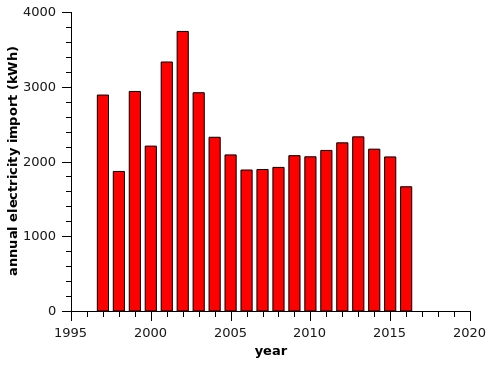
First we need to remember there is beginning to be at least some slack in the system. Electricity demand is falling at the moment due to LED’s and more efficient white goods. Our household is typical of this trend at the moment our energy use is falling fast (see graph below). This will buffer some of the demand, although against this there is a huge program of power station closures.

long term importIn addition we don’t know how much people will use their cars, or whether we will even own cars in the future (with autonomous vehicles).  There has to be a suspicion though that without some kind of road charging or some other big change in society the high ownership of cars will continue.  For the last 60-70 years car ownership has become embedded in the culture and will be harder to shift than some proponents of autonomous vehicles think.

Another unknown is how the electric car technology will improve.  National grid assume it will but don’t really talk about their methodology (they do talk a lot about rapid charging technology).  Obviously as range improves so will need for charging them.

Next week I will look at the implications of all this.

Neil

Posted in One thing we have learnt this week, Practical low carbon living, Renewables, Uncategorized | Tagged , , , | Leave a comment