New economic paradigm wanted!

As a follow up to the last post on economics I’ve put the conclusion to the economics chapter below from our book-so warning book spoiler alert.  Someone I know who is reading the book criticised part of this bit below.  I’m actually not giving my personal views (I wrote almost all this chapter) on what kind of economic system should replace the one we have got, but I am trying to draw out a few principles from the bible.  The problem is that none of the different systems from Marxism through all the different shades of capitalism assume anything other than endless resources.  Clearly we are going to end with something different.  I’m going to try to get some guest blogs on this issue one from a right wing perspective and one from a left wing perspective, after all in a democracy both the left and right will have to govern after oil.

Conclusion

Clearly the dominant economic model has produced huge benefits for much of mankind.   Yet its problems, and in particular its inability to value creation and its resources in a way that is sustainable, fundamentally undermine the progress it has produced.  But what’s the alternative?  Green economics has some strengths, in that it starts to take the environment into account, but also has obvious shortcomings in that it still seems to assume that there are limitless resources and therefore that conventional growth is possible.

Christians view economics essentially depending on their political viewpoint.  The bible (especially in the New Testament), says little about how an economic system should operate.  One approach is found in the book of Isaiah.  In this passage, the prophet Isaiah instructs on true and false worship.  True worship is seen in the following manner:

“This is the kind of fast day I’m after:
to break the chains of injustice,
get rid of exploitation in the workplace,
free the oppressed,
cancel debts.
What I’m interested in seeing you do is:
sharing your food with the hungry,
inviting the homeless poor into your homes,
putting clothes on the shivering ill-clad,
being available to your own families.    Isaiah 58v6-7, The Message Bible

These and other verses in this chapter suggest that charity is required, but also the need to break structural economic sin.  In the various ideas we discussed above, we saw some people are starting to feel around for an alternative economics.  For free marketers reading this book there is both good news and bad news.  The good news is that all the people we quoted above see a role for markets.  No one wants Marxism or centrally planned economies (which were mostly not good for the environment too).  The bad news is that they want a lot more government intervention, control of markets, localisation (with trade mostly within countries), rationing and or taxation of non-renewable resources, and redistribution of wealth.  They consider this last point important not only because countries with better equality of wealth are happier places, with lower crime and better health outcomes, but also because the current economic system works on the basis of envy1.  (As we discuss later, reducing materialism may be more difficult than we think, even with less material goods.)  They all want new ways of measuring progress beyond GDP, measures which take into account happiness or ecological constraints.  We think these general characteristics of a new economy fit with Isaiah’s challenge, and are points that Christians should support.  Isaiah goes on to say that building a more just society will make us fully human again.

“Your lives will begin to glow in the darkness,
your shadowed lives will be bathed in sunlight.
I will always show you where to go.
I’ll give you a full life in the emptiest of places—
firm muscles, strong bones.
You’ll be like a well-watered garden,
a gurgling spring that never runs dry.
You’ll use the old rubble of past lives to build anew,
rebuild the foundations from out of your past.
You’ll be known as those who can fix anything,
restore old ruins, rebuild and renovate,
make the community liveable again.”   Isaiah 58 v 10-12, The Message

An alternative economic system is inevitable.  Precisely what kind it will be we cannot say.  The current system is like a merry go round going faster and faster, which no one wants to jump off first.  The problem is the longer we delay the bigger the fall will be.  We should start discussing and planning this new economy now rather than when it is forced upon us by events.  Christians, though they may have differing views on economics, should be at the centre of this debate.  Our value system should challenge that of the world as we seek God’s kingdom first.  We will leave the last word on this issue to Dr. Fleming, with a telling comment on one part of the solution: “Localisation stands, at best, at the limits of practical possibility, but it has the decisive argument in its favour that there will be no alternative”.

Neil

Posted in Economics | Leave a comment

End to growth

The Guardian today has a short article on the end to growth here. Its quite an interesting short article which even mentions Herman Daly, who is a Christian who has thought about this longer than anyone. We added a chapter in economics in our book. It became obvious in researching this to me that no one had got a clue really (even Herman Daly) about what a post oil economy is going to look like…

Neil

Posted in Economics | Leave a comment

Fall pictures

“The heavens declare the glory of God,
and the sky above proclaims his handiwork.”  Psalm 19v1

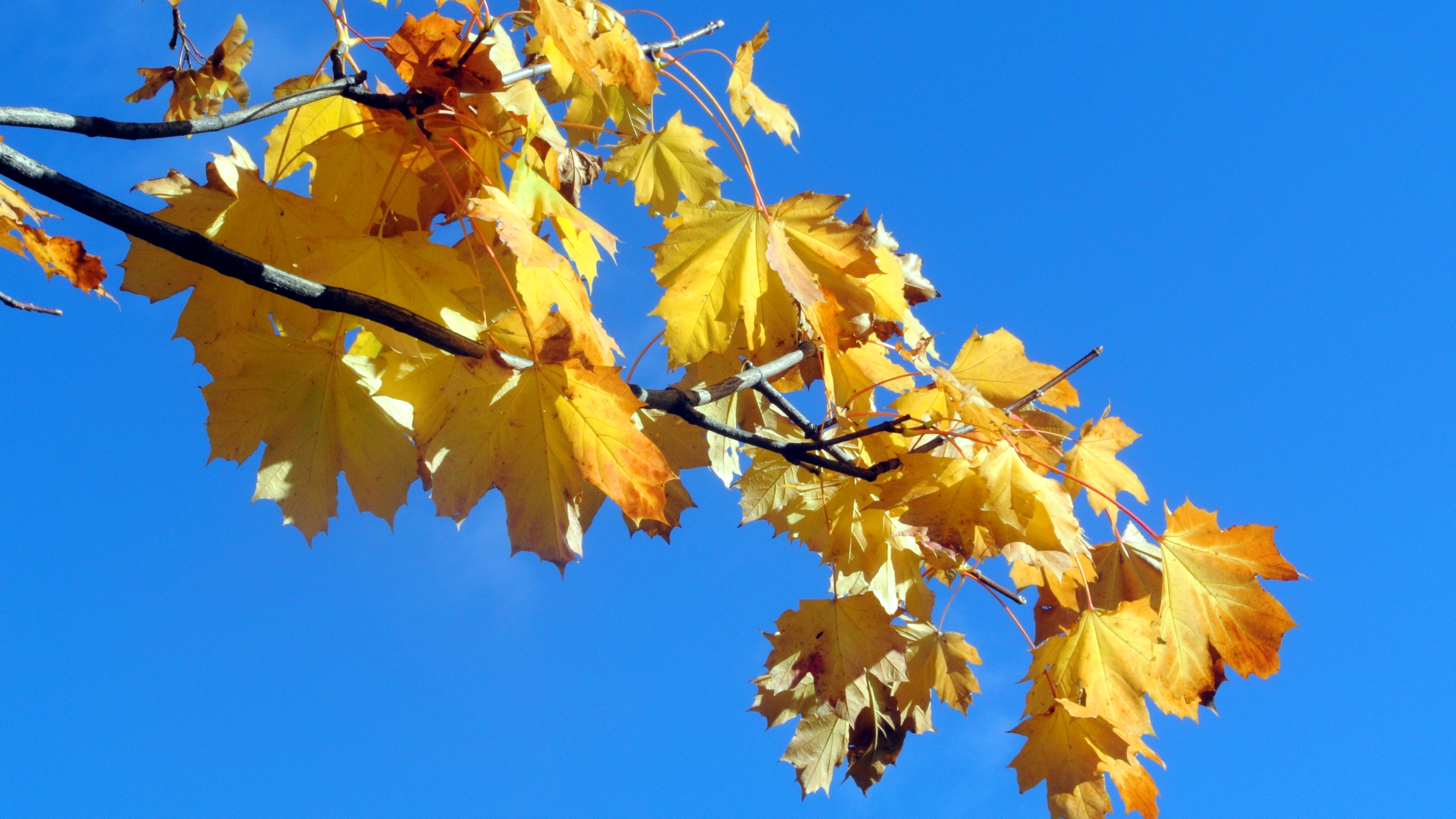
sycamore leaves against the sky

sycamore leaves against the sky

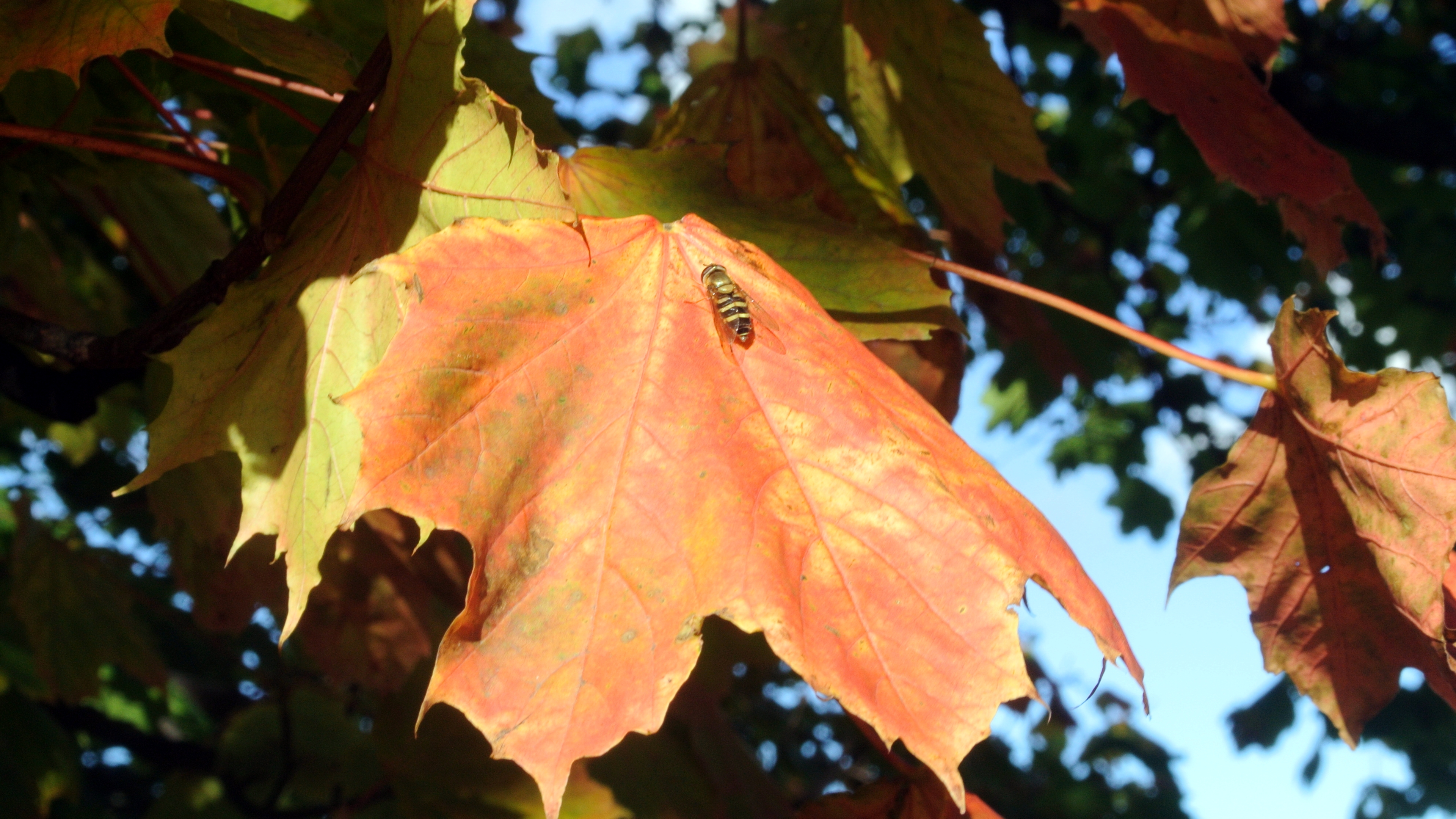
sycamore leaf

sycamore leaf

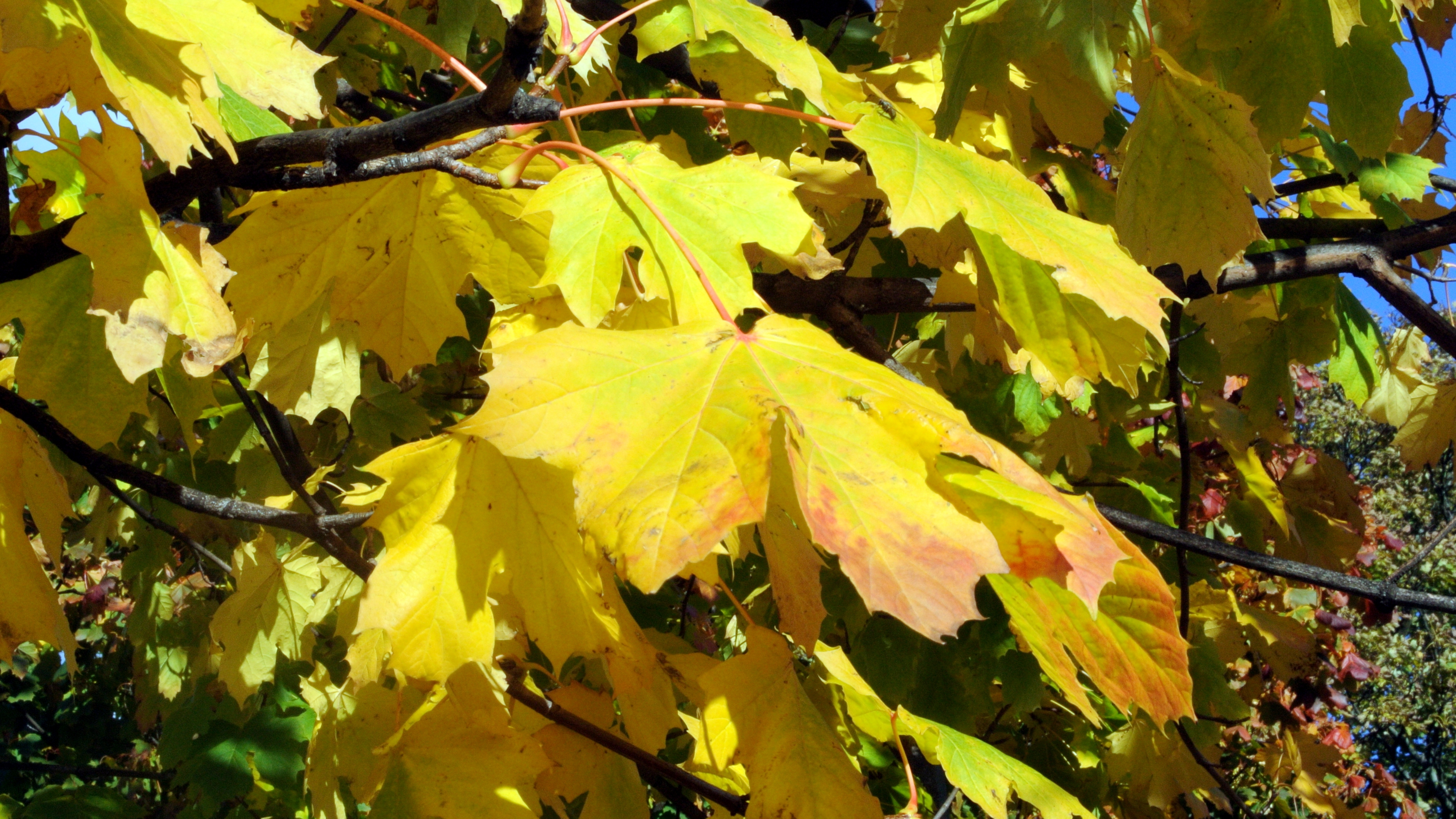
sycamore leaf just turning

sycamore leaf just turning

The weather was glorious in Edinburgh this morning and I took some pictures of the leaves on the trees.  Autumn has only just started in the last week.  In the mid 1990’s Autumn started on the 31st August and was over by mid September.  One of the very few advantages of man made climate change is Autumn here lasts until November nowadays.  Enjoy!

Like this? like us on Facebook at “No oil in the lamp”.

Neil

Posted in climate change, Faith | Leave a comment

Food links

Food has been in the news a lot on this side of the Atlantic. Climate change and peak oil as well as well as population offer a profound challenge to growing enough in the years ahead. Paste the following into your browsers. I’m sure the church has a role to play here. Like this site like us on Facebook at “No oil in the lamp”.

http://www.guardian.co.uk/global-development/2012/oct/14/un-global-food-crisis-warning

http://www.guardian.co.uk/global-development/2012/oct/14/food-climate-change-population-water

http://policy-practice.oxfam.org.uk/publications/our-land-our-lives-time-out-on-the-global-land-rush-246731

http://www.guardian.co.uk/environment/2012/oct/10/un-rising-food-costs-weather

Posted in climate change, Food | Leave a comment

Chasing ice -update

I didn’t know a review of a film on climate change could be so popular! The “Chasing ice” review has been far and away our most popular blog post. We’ve had literally hundreds of views over the last 24 hours. I cannot decide whether the cycle powered aspect was the draw or the film itself. At my church we had a cycle powered communion once as well (not for the entire church). Maybe we should organise another one?  Our book covers practical aspects of low carbon living but not cycle powered living in that way… If you like the post you can like us on “No oil at the lamp” on FB and vote in the poll on the right.

Neil

Posted in climate change, Film | Leave a comment

Added map

I’ve added a map which shows where visitors are coming from. Click on the visitor map page. Clicking on visitor map viewer opens up a new window with all sorts of options. Blue dots are those servers searching the web, orange dots individuals visiting our site.

Posted in Uncategorized | Leave a comment

Energy prices

The Guardian has just reported another energy giant is raising prices.  The oil price is at $115/barrel with the world economy on the brink of collapse.  As Ian Marchant put it in the forward to our book “prices have become increasingly volatile and seem to be on a long-term one-way path”.

Posted in Book, Peak oil | Leave a comment

BBC cover rise in food prices

The BBC has covered rising food prices on the Radio 4 today programme. I’m not sure whether you can listen to this clip outside the UK (I would be interested to know-leave a comment). Two of the interviewees (one from a supermarket) emphasise the oil dependency of food. Both these interviewees also think that food prices will continue to rise and that the poorest will be hit hardest. There is role here for the church and I’m not talking about food banks (see here). As one of the few community groups left the church should be setting up community market gardening projects and helping others do the same. We tried to find examples of this happening for “No oil in the lamp” but failed. Please contact us if you know of such a project and we will include it in a future edition.

Please continue to like us on Facebook (“No oil in the lamp”) and vote in the poll on the right hand side.  Ta.

Neil

Posted in Faith, Food, Peak oil, Practical low carbon living, Transition | Leave a comment

“Chasing Ice” part 2.

Chasing Ice

Chasing Ice

In “Chasing ice” part 1. I described the experience of powering a film albeit partially and on smallish screen… But what of the film itself? Luckily even when cycling I was able to watch and listen to it. So here is this blogs first film review and the first one I’ve ever written.

The film centres around the work of photographer James Balog. After studying geomorphology to masters level he decided to become a nature photographer rather than work with dull computer modelling (as he saw it). National geographic magazine asked him to photograph glaciers for a feature. This work demolished his climate scepticism (when he saw how fast glaciers were melting) and led to him coming up with an idea in principle so obvious you wonder why no one else had thought of it before. The areas where glaciers are melting are by definition not very hospitable and not a place where the average human wants to stand around watching the thaw happening. Why not set up cameras and do time lapse photography over a period of years at the same points and see what’s happening? He set-up the Extreme Ice Survey to do just that.

I say in principle its easy, but in practice the team he assembled had to develop some very robust technology and get it into some challenging positions to get the photos. Each camera was linked to custom made timers, enclosed in very strong casing and attached to wherever necessary using mounting brackets drilled in the rocks. The whole kit was powered by very small photovoltaic modules. Cue lots of shots of men running around mountains with ice axes all over the northern hemisphere in Iceland, Greenland and Alaska.

The film takes you through the whole process using a fly on the wall crew, with Mr Balog taking centre stage throughout. You have to have some drive to achieve this and he does in spades. The first lot of custom made electronic timers fails and you see him break down up the mountain. Many of boxes containing the kit are demolished by falling rocks or ice. All the ice climbing he has done has worn his knees out and the film shows him having a third operation on one knee. Despite being told to go up the mountains again he’s off to Iceland, although at one point he lets his team do the work. Some of the most frightening shots are his pictures of “Moulins”, holes opened up on the Greenland ice sheet by melting water. He and his team climb down into these to get some amazing shots of the water failing into a seemingly bottomless hole. In fact the still shots shown in the film (too few) are stunning. The best is one of a huge block of ice front lit by lighting with the stars visible in the sky overhead.

Ultimately of course he succeeds in getting time lapse photography at about 20 glaciers, meaning in effect he has a slow motion video. This is the most depressing bit of the film. All the glaciers he films are in retreat, a glaciologist interviewed states that less than 1% of the glaciers in Iceland are growing. In one case the retreat was so fast that the camera had to be moved three times. The most moving bit of the film is the audience reaction when he does a tour. The looks of stunned disbelief make you wish everyone could see it.

**** A few more stills and a bit more science would have been good. It would also have been interesting to put some cameras in the southern hemisphere to capture the same problem there and some interaction with climate sceptics would have been interesting. If you like this article could you like us on Facebook at “No oil in the lamp”.

Neil

Posted in climate change | Comments Off on “Chasing Ice” part 2.

buying the book

An increasing number of people are asking where they can buy the book.   The answer is almost all on-line booksellers stock it.

Neil

Posted in Book | Leave a comment