One thing we have learnt this week-Moroccan mosques are going green

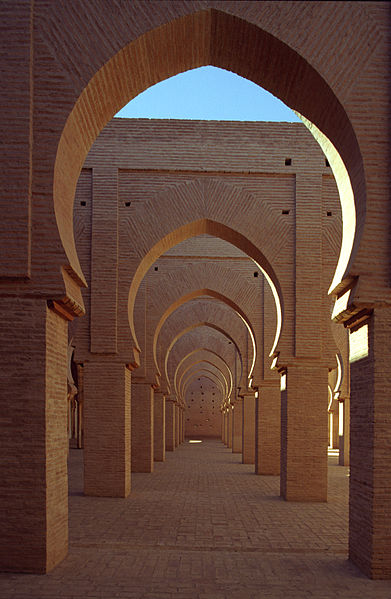
391px-tin_mal_mosque5_jsA large number of mosques are going green.  Last week I was enthusing that some churches in the UK were switching to green energy suppliers (see here).  This is a far more ambitious energy project.   Some 15,000 Mosques across the country are planning to install solar PV, solar hot water as well as heat pumps and energy efficiency measures.  They are hoping for a 40% energy reduction and that the kit is invisible to the ordinary worshipper.

That Moroccan mosques are going green has to be seen in a wider context.  The Moroccan king has been taking his country in a green direction mimicking Germany.  Except that for the most part the solar power is not PV but very large installations of concentrating solar power placed in the desert.  These installations are set to use molten salt.  By doing so they work even after dark providing pretty much 24/7 solar power.  Something that is only possible in hot countries of course.

In these days of Islamic extremism and terrorism and with real doctrinal disagreement between our faiths its nice to have areas where we can cooperate and agree and this area of the environment is surely one of them.  There are also lessons for historic churches, many Mosques are beautiful historic buildings.  Come on Christians become a bit more ambitious!

Neil

Posted in Community energy, energy conservation, Faith, One thing we have learnt this week, Renewables, Uncategorized | Leave a comment

Particulates and Alzheimer’s disease

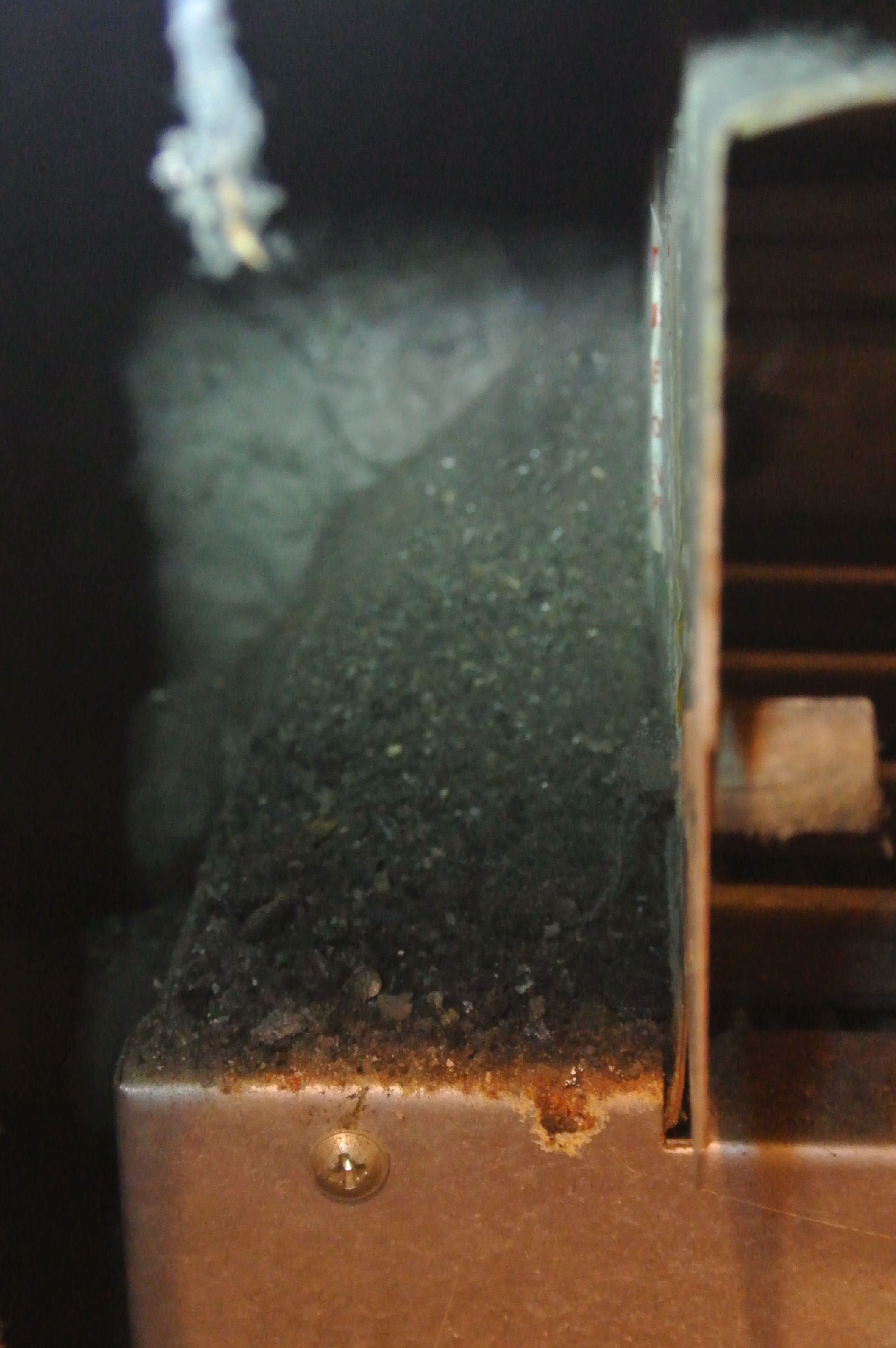
boilerThere could be a link between particulates and Alzheimer’s disease.  This is according to a study just released which has found particulates in the brains of people who have died from this disease.  This adds to the list of problems that particulates cause such as lung disease and strokes.  Alzheimer’s disease is of course complex and a number of agents have been implicated as its cause.  Also just just because there is correlation does not mean there is causation.  These particles contain small amounts of metals (magnetite).

There is some logic to this scientifically.  In Alzheimer’s disease a protein amyloid-β forms abnormal filaments in the brain.  These aggregate and damage the brain’s neural pathways.  The expression of the amyloid-β is partially controlled by metals such as iron, zinc and copper.  In addition iron and copper can undergo a series of oxidation and reduction reactions with hydrogen peroxide.  Hydrogen peroxide is produced by the body as a natural product of metabolism.  When it reacts with these metals it forms free radicals which are molecules with a single unpaired electron.  Chemically this is highly unstable and such groups can react very rapidly with almost any molecules in the body causing great damage.  Living organisms that are aerobic have evolved a series of enzymes that break the peroxide down very rapidly.  The problem is if large amounts of metals become embedded then this system is likely to be overwhelmed.

A large number of other factors have been implicated in this terrible disease such as genetic factors and processes related to ageing.  Nevertheless there is a a lesson here that we should cut the causes of particulates which includes all combustion processes down for our own good, the worst offenders being cars and coal fired power stations.

Link to the paper here.

Neil

Posted in materials, other, Uncategorized | Leave a comment

One thing we have learnt this week – churches ditching fossil fuels

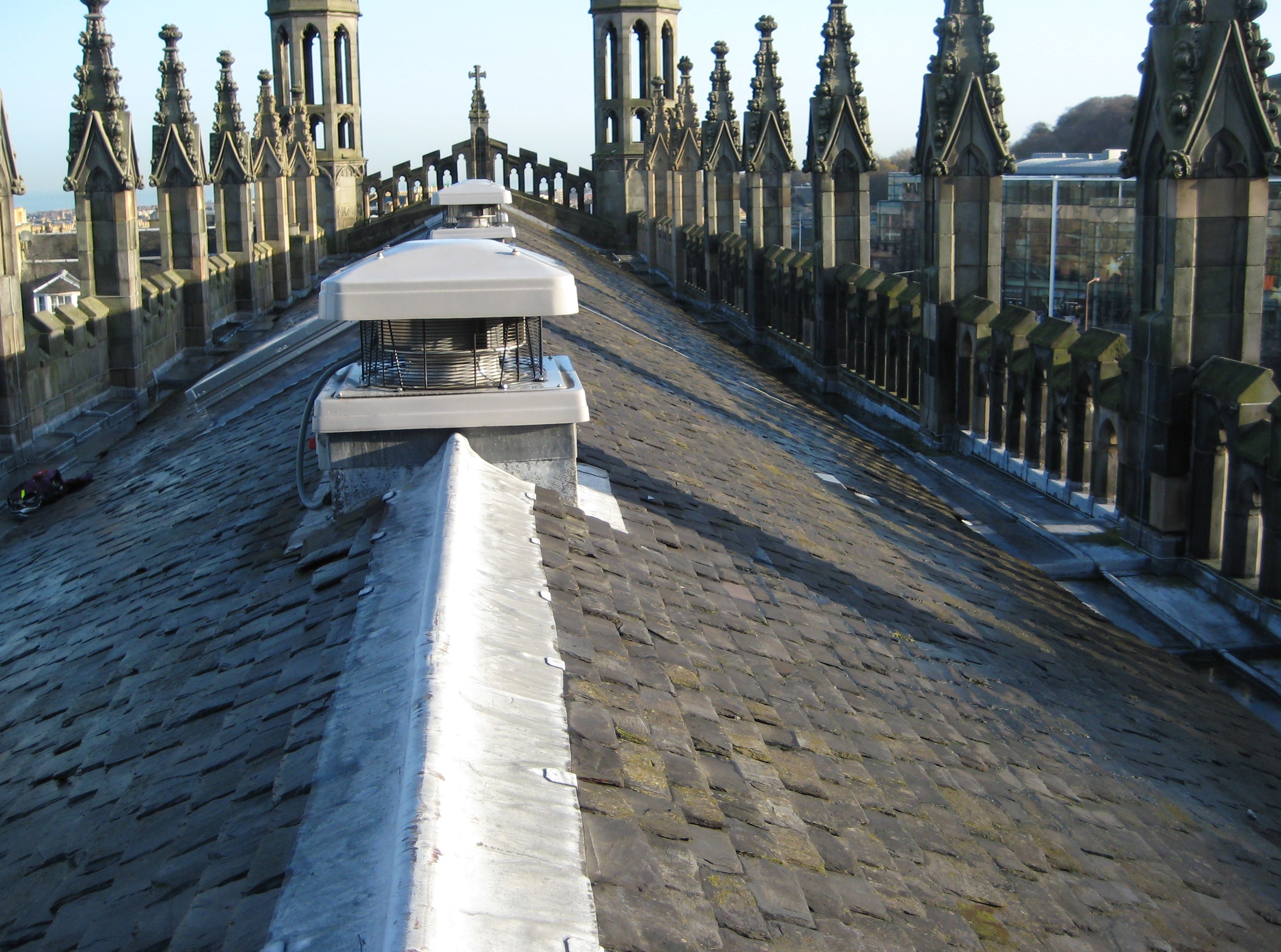
church roofThousands of churches in the UK are ditching fossil fuels according to data released yesterday.  The majority of Salvation Army, about a third of Quakers and a lot of Catholic churches (2000) have switched to renewable suppliers.  This sounds a lot however this is still a minority of churches ditching fossil fuels.

Churches are often in listed buildings so installing renewable kit can be difficult (my church looked into this) although its got easier since then with some churches managing it.  Switching to a green energy supplier is obviously much easier.

A couple of points need to be made.  Firstly by switching exactly the same electrons are coming down the wire.  The point by doing so is to encourage for renewables investment.  Second and following on form this a change does not preclude energy efficiency.  My church has not switched, we are holding a “Stir up Supper” in December and this may give us the space to talk about this.  However we are starting a wholesale move to LED’s and have put in insulation in our roof (and its amazing how many churches that could do this have not).

The big Church switch website is here and as a last point remember.

The earth is the Lord’s, and everything in it, the world, and all who live in it.  Ps24v1

Neil

Posted in climate change, Creation, Faith, Practical low carbon living, Renewables, Uncategorized | Leave a comment

Borders railway reopened

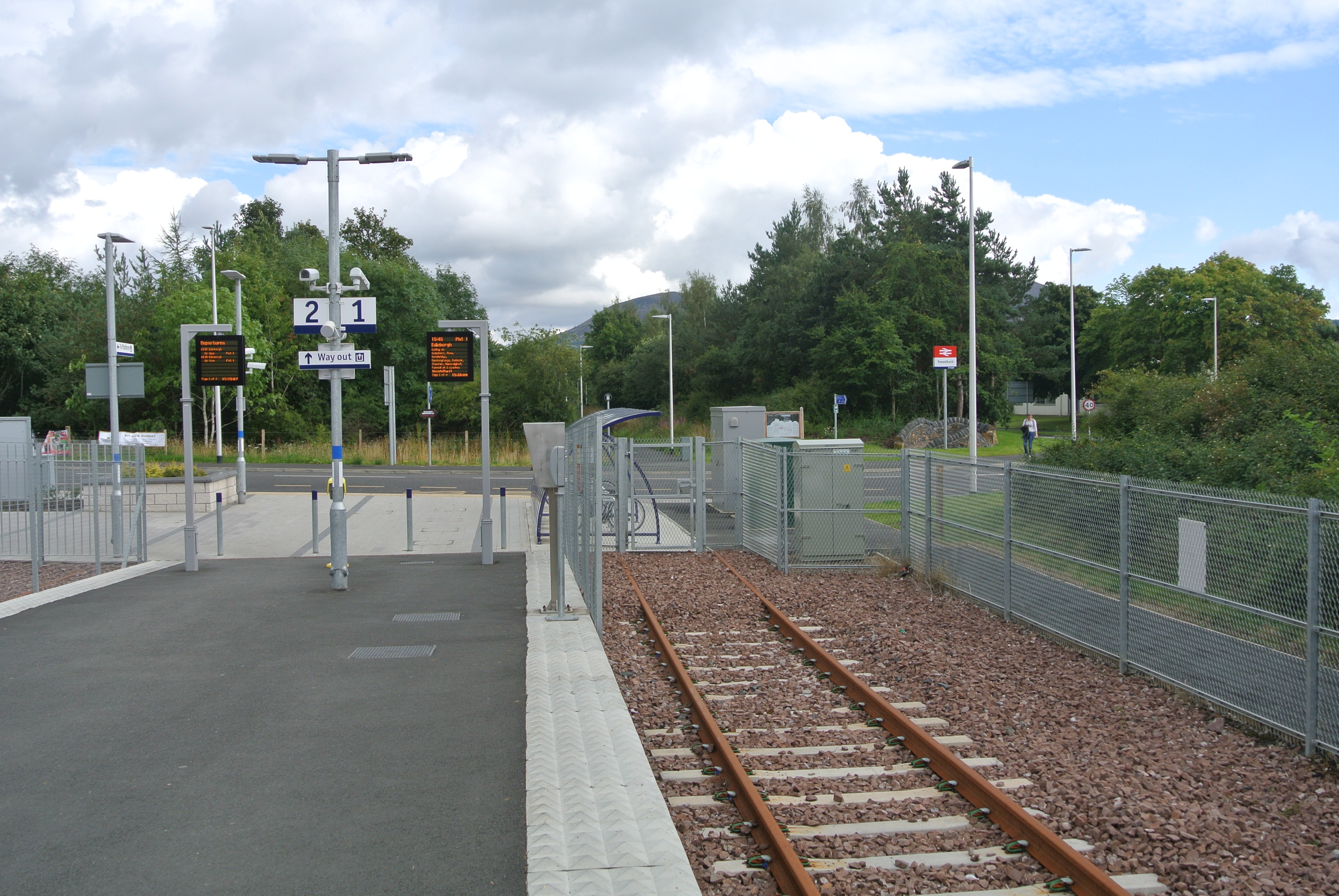
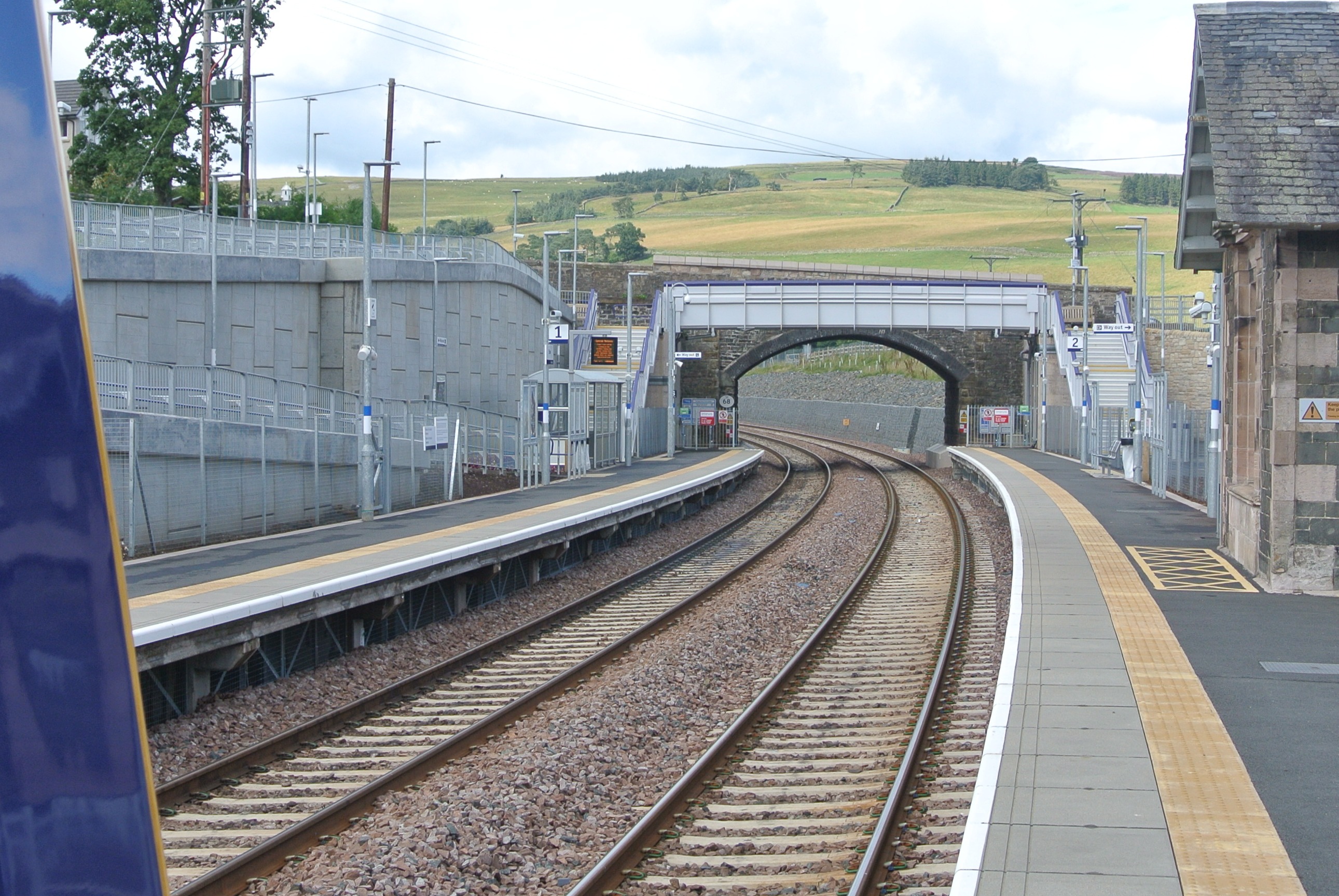
borders railwayLast year the Borders railway reopened and last Sunday I took my first trip on it.  Its always nice when a Beeching cut is undone.  The line which originally connected to Carlisle was closed in 1969.  Police had to guard the last train such was the anger and the young MP at the time, one David Steel had to calm things down.  Last year 30 miles of this route was reopened.  I’m glad to say its been a huge success with passenger numbers are much higher than envisaged.  Longer trains have had to be put in service after complaints of overcrowding.  I took a trip on it last Sunday and whilst the train was not full it certainly was busy.

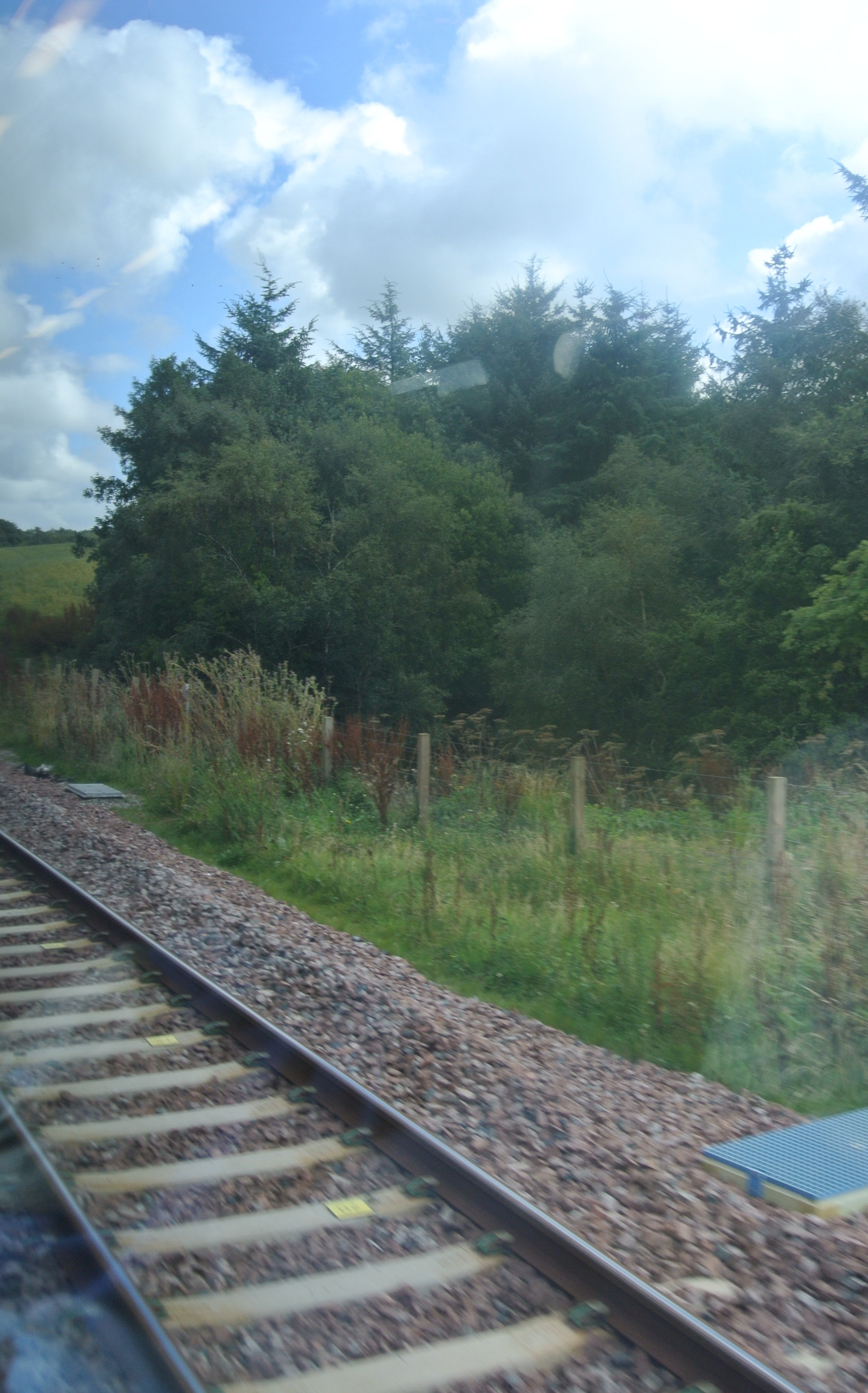
The line winds through some lovely country and connects with the national cycle route in at least one place.  It serves only one major town (Galashiels) although the stations near Edinburgh are in commuter range.  Its one of the few times I have been on the train when we have had to wait since we were 10 minutes early.

border railway passing placeMistakes have been made in the Borders railway reopening though.  It seems crazy not to have extended it a couple of miles further to Melrose, since by local standards its a major conurbation.  The main criticism made is that there is insufficient double track and more importantly that there is a problem in widening it to double track.  The problem is most acute at a number of new bridges where the line is single track but there is no space to put in a second track.  Neither is it electrified.  These short sighted cost savings will make it more difficult to reopen it as far as Carlisle, which would bring a whole heap of benefits.

Neil

Posted in Practical low carbon living, Slow living, Transport, travel, Uncategorized | Tagged | Leave a comment

Aussie town planning to go off grid

1024px-TyalgumThe small town of Tyalgum is planning to go off grid.  Tyalgum is planning to get 100% of its energy from renewable sources and then unplug from the grid.  There are number of reasons why the towns’ (villages’?) inhabitants want to go off grid.  They pay a lot for their electricity and don’t feel they get much for this.  Tyalgum is at the end of the wires and the townspeople feel they pay a lot for maintaining these wires.   There is a high degree of environmental awareness and being at the end of the grid would lead to minimal disruption if they did go off grid.  There is also a very good renewable resource, mainly solar?

Its still a brave move to to actually unplug though and not a move I would personally recommend.  There does seem to be intense interest in this particularly in Oz with some suggesting a third of people might disconnect from the grid.  Of course the reason is the falling cost of energy storage (batteries).  If I was in this situation I would go 100% renewable and stay on the grid.  Apart from anything else there will be many times when you generate more power than you can use and this could be sold back to the grid.

Neil


Posted in Community energy, Renewables, Uncategorized | Leave a comment

In praise of pulses

pulsesHaving grown up in Madagascar, I have plenty of time for pulses. You could buy a dozen varieties on the local markets, all lined up in baskets and sold by the tin-full. There was a wide range of colours and sizes, and some multi-coloured ones that were really quite beautiful. When we were small, my Mum even had a big mixed jar of them for us to tip out into a tray and play with.

So I was interested to hear this week’s edition of The Food Programme on Radio 4, which was all about pulses. Apparently we don’t eat many of them in Britain. Besides our fondness for baked beans, we really don’t eat many beans and pulses. The programme was out to change hearts and minds, as the UN has declared 2016 to the Year of the Pulse, which is the first I’ve heard of it.

We used to eat them. Pulses are a staple food in many parts of the world, and they were in Britain too in the past. As the country developed and people began to eat more meat, eating beans became associated with poverty. We ate fewer of them, and even stopped growing many traditional varieties. Hippy culture has not improved the standing of beans and lentils either.

It’s a pity, because there’s a reason why pulses are a staple in so many traditional diets. They’re low-fat, contain plenty of fiber, and they’re all round nutritious. They’re versatile and cheap, and can be served in dozens of different ways. They are also a very sustainable form of protein. Beans also fix nitrogen, playing an important role in agriculture when incorporated into crop rotation. So there are plenty of reasons to eat more of them, especially if they replace some of our meat-eating.

One of the guests on the show was Nick Saltmarsh, who used to work in food policy. He was involved in a Transition City Norwich project which concluded that pulses offered one of the best ways to make our diets more resilient and sustainable, but noted that we don’t grow many any more. The Great British Bean Project ran as a trial to try and source British grown beans and encourage people to try them. Since it was a success, Nick and some friends went on to found a company, Hodmedod’s, to take it further.

Hodmedod’s now sell British grown fava beans, quinoa, and a whole variety of beans, pulse flours, and pea and bean-based snacks. They’ve also revived some traditional varieties. We used to eat Carlin peas as a snack, and outside of a very few areas, they’re almost unknown now. The small amounts that we do grow are, strangely enough, exported to Japan as ‘maple peas’. Hodmedod’s are attempting to bring them back. I also like the look of their blue peas, and surely it wouldn’t be difficult to persuade children to eat Gog Magog beans.

I’d come across Hodmedod’s before, but I hadn’t heard the story behind the company. I like their activist origins, the rediscovery of lost food heritage, and the practical response to a sustainability issue. I will look out for them in future.

“There’s a broader awareness that we’re going to have to change our diet in some way over the next 30 or 40 years” says another of the founders, Josiah Meldrum, in this interview with Rob Hopkins. “There are pressures from population growth, pressures on land. Beans are going to play a part in that as a very low-tech solution to dietary change.”

Written by Jeremy Williams for his blog Make Wealth History and used there first and reblogged here with his permission.

Posted in Faith, Intentional living, other, other blogs, Practical low carbon living, Uncategorized | Tagged , , | Leave a comment

One thing we have learnt this week – Olympic cycling

DSC_2418Can team GB’s Olympic cycling success change the UK’s cycling culture and raise its pitifully low rates of cycling?  Team GB has had a huge degree of Olympic cycling success which makes me proud, but can this success lead to more important change?

As the government goes back (in England) on its previous pledges on tackling obesity this question is being asked about most sports at the grass routes level.  However cycling is not most sports.  Its like walking, an alternative means of getting around (so is running but most people don’t run to work).  Cycling is both a means of cutting fossil fuel dependency and increasing fitness whilst building exercise naturally into your day, if you commute by bike.  I would argue a high level of cycling makes for a more civilized society.  There is also some evidence that cycle use cuts obesity rates (see the graph on page 805 in this paper) and driving raises them (also in the paper’s text looking at Chinese data)*.  Currently only 4% of UK journeys are by bike, its 43% in the Netherlands.  Whilst cycle use  in the UK is rising fast it is from a very low level.  The London Olympics raised sports participation before 2012 in anticipation but since 2012 the level has fallen although its higher overall than before 2012.  It definitely difficult to get people to take part in sports particularly cycling where there is perceived to be danger aspect (the irony is the more people who cycle the safer it is).  It requires joined up thinking with better cycle facilities as well as encouragement not just just Olympic super heroes, although this is a start.  The question is with austerity cutting sport facilities and groups and no joined up thinking on cycling in the UK will we get a cycling boost?

Neil

* most people think that exercise only helps to keep weight off not loose it.  If you do the maths on what you eat and what it takes to burn it off, this is logical.

Posted in Cycling, One thing we have learnt this week | Leave a comment

One thing we have learnt this week – OFGEM and energy prices

metersWith a big fanfare OFGEM announced its support for the Competition and Market Authorities changes to reduce energy prices.  The stand out headline was that the poorest were going to be protected.  This sounded great until you listened a bit longer.  Then you realised the those with pre-payment meters, generally those on low incomes were going to have a partial cap.  Whilst this is better than nothing it does not go far enough.

One of the most unfair aspects of the UK energy market is that those on pre-payment meters pay more for the privilege per unit in almost every case.  The one exception that I know is the not for profit social enterprise energy company I use.  We all pay the same.  That’s why the company was created since the person who did so could see direct debit customers would pay less. Whilst I appreciate pre-payment meters stop people getting into debt and can be useful for some groups (I had one when I was a student), this differential payment is outrageous.  As an aside a blind woman in church homegroup went into a housing association flat.  They gave her pre-payment meters which of course she could not use.  I helped get them removed with some difficulty.

It seems to me there are three ways to help people cope with high energy prices and cope with peak oil.

The first is a carbon ration.  We outline what these are in our book.  Although this would in many ways be redistributive there are some low income groups that would need protecting from its effects.  Namely those in very energy inefficient properties.  This is elegant for the most part but whilst simple in outline would be difficult to introduce and a hard sell, although its my personal preference.

The second is a straight tax on energy (carbon fuels).  This is advocated by James Hansen to combat climate change.  He proposes tax cuts on everything else.  I think this is a crude way of doing things, will affect many people on poor incomes and would be a hard sell, but if it could be made to work I would support it.

The third method is what is sort of happening now.  That is the rich subsidise the poor.  I think that this is a good solution to high energy prices but needs to be less piecemeal and done properly.  Two last points its said smart meters could do away with the above problem (don’t know why) and I heard this week that food banks are handing out energy vouchers so people don’t have to choose between heat and food.  This cannot be right and we really need to come up with a solution that is fair and protects the poorest against high energy prices.  OFGEM has not gone far enough.

Neil

Posted in One thing we have learnt this week, Peak oil | Tagged | Leave a comment

Netherlands -what is the mark of a civilised nation? Part 2

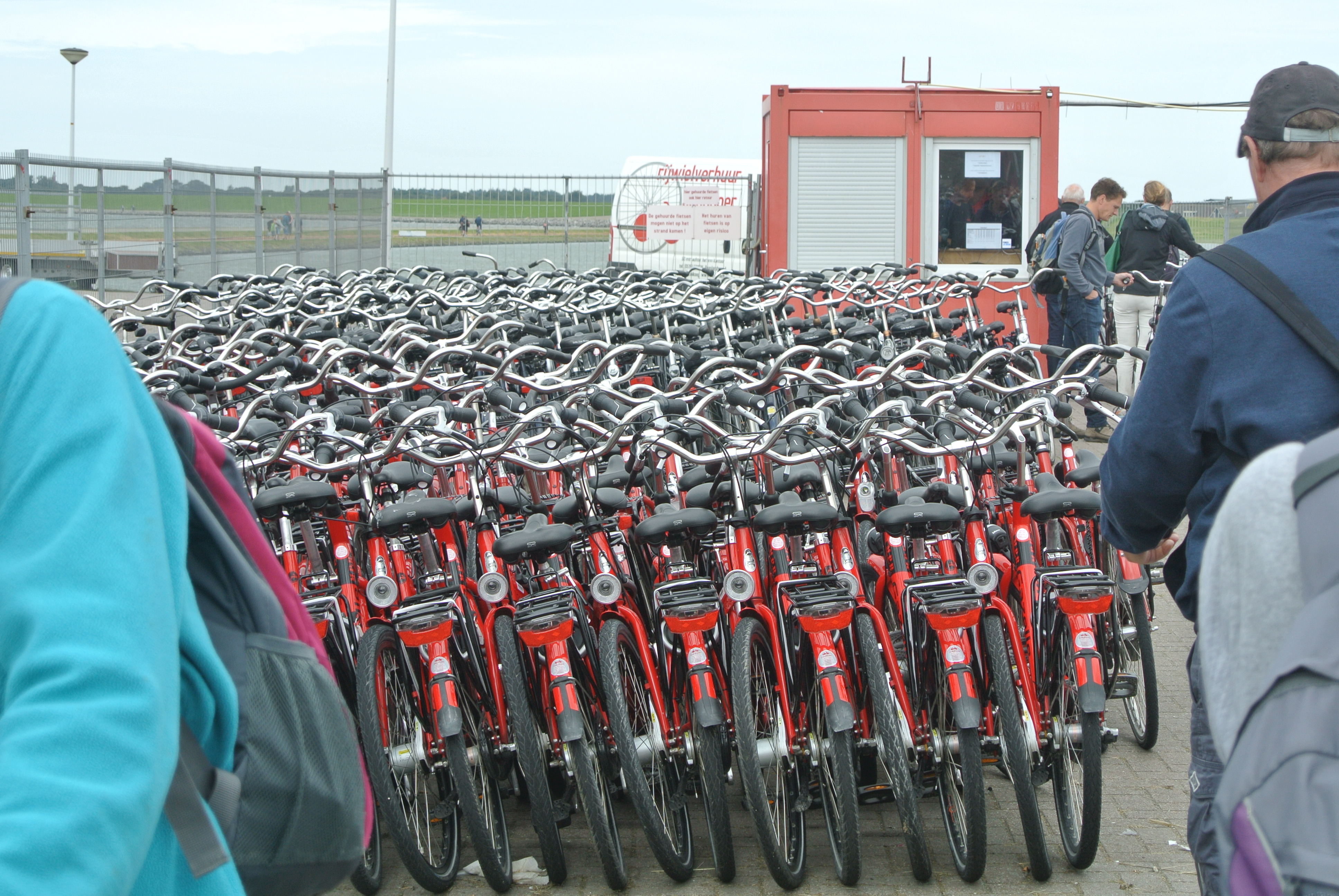
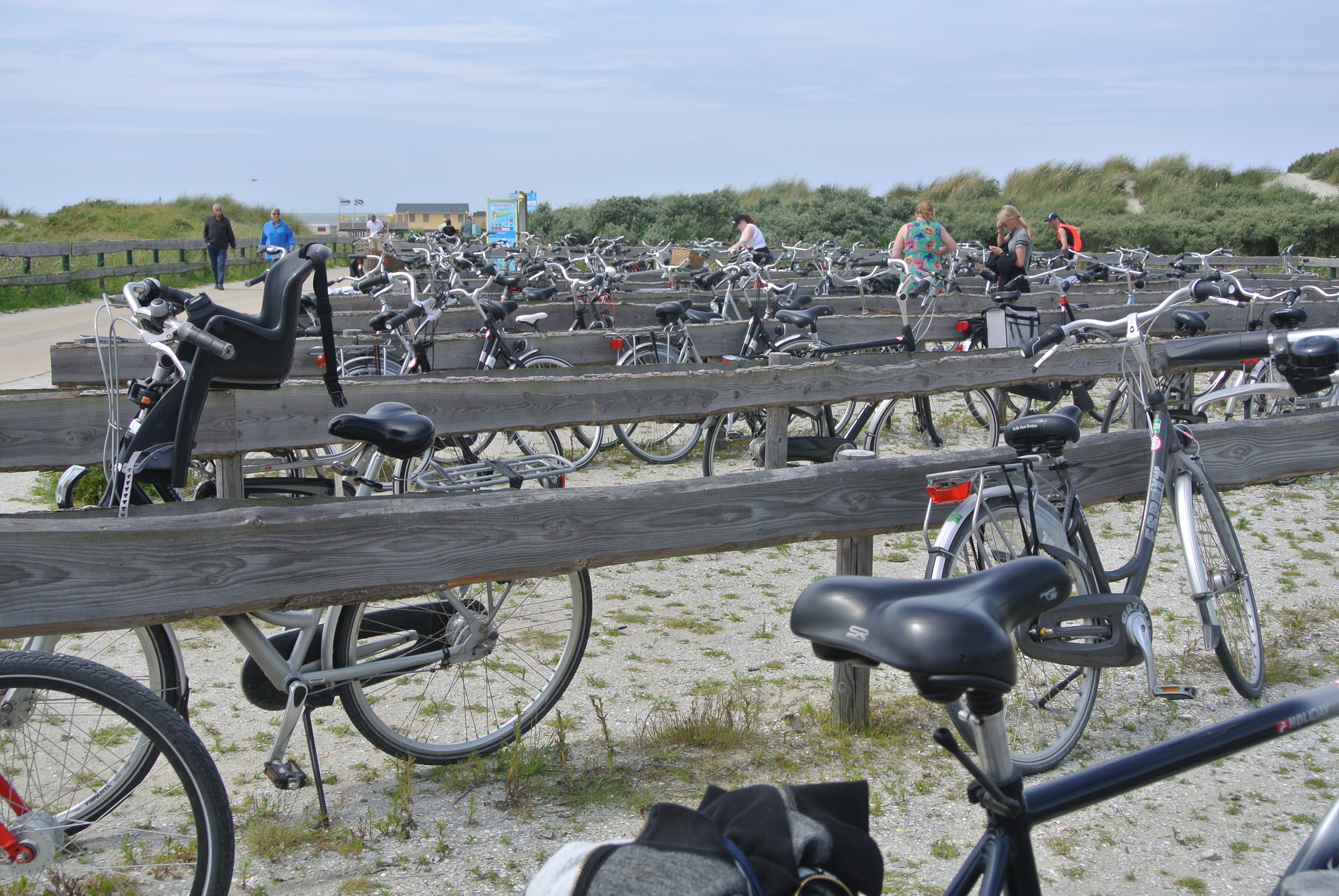
DSC_2425What is the mark of a civilised nation? And is cycling a factor? I was asking myself these questions as we did a holiday tour of the Netherlands. The positives are; the Netherlands is obviously a very cohesive society. I saw no homeless people and there were no obvious signs of a big gap between rich and poor. We passed what was clearly social housing but the estates and buildings looked in good order. People were amazingly polite, helpful and friendly. There was a very relaxed atmosphere which is very hard to put into words, but is plain when you see it in front of you. On the camp-sites we stayed at it was “lights out” at 11pm and people did indeed shut up. There was no heavy drinking or drunkenness. We saw almost no obese people and those we did see were mainly not Dutch.

Life is not perfect. There is a lot of graffiti in cities (more than here) and driving on motorways leaves a lot to be desired. There Is also the drug culture. Whilst I think there are worst crimes than smoking a bit of weed, its not ideal.

The question I was does this relaxed polite culture have anything to do with the cycle being king? And what does it say about how Christian a nation is? At the time of the second world war the Netherlands was very Christian and Christians played a leading role in the resistance. The Dutch church was a confessing church that refused allegiance to the Nazis. Since then levels of Christian belief have plunged (as they have in all Western countries).

When I was the CU our missioner was asked a question about this kind of issue by a green minded non-Christian friend of mine. The missioner responded by saying that when everyone became Christians society would be fine. This didn’t satisfy him and it certainly didn’t satisfy me. None of us are perfect least of all Christians. On this holiday I was reading “What’s so amazing about Grace” by Philip Yancy. This book covers amongst other things the culture wars in the US and what does it mean to be a Christian nation. The Netherlands is the antithesis of everything right wing American evangelicals want and yet it works as a society and works well. Is it at least partly due to the strong cycling culture which in principle should make people more respectful and polite to those around them. Or is some of God’s original grace still visible tacked onto the countries past protestant history in which to kick the Spanish out there had to be cooperation between different protestant groups and even some Catholics? Or is it a bit of both? I don’t know but whatever the reason, it makes Holland a great place to live.

Neil

Posted in Cycling, Faith, Uncategorized | Leave a comment

One thing we have learnt this week – Hinkley C

The whole Hinkley C saga continues to roll on and on and on.  This morning its taken another extraordinary twist.  Yesterday the French decided to go ahead with the scheme after years of prevarication (so many I’ve lost count).  Overnight the UK government has made what could be an extraordinary volte face.  They want to consider the whole thing and delay actually signing the contract.

At this point I am beginning to feel sorry for EDF, something I had thought was not possible.  The previous government had been on and on at EDF over Hinkley C.  EDF agree to go ahead and then our government seems to have cold feet.  You could not make it up.

This is without a shadow of a doubt a terrible deal.  There are clear indications that both sides are trying to find a way out without losing face.  The power is two expensive and some other technology will be needed to fill the gap.  One extraordinary fact is that the reactor was supposed to open next year, which makes it 9 years late before construction has even started.  The French unions oppose it, several members of the EDF board have resigned and the French government has had to recapitalise EDF.

Whilst it seems more likely that this is going to go ahead or at least start, we cannot be sure it will finish.  There is talk of abandoning construction of the same reactor at Flaminville.  I assume my government is trying to get a better deal particularly on the power price.  How successful this will be we can only guess.

The problem for the nuclear lobby is that almost all competing technologies are now cheaper (only wave and tidal are definitely more expensive) at the suggested strike price.  By the time these Hinkley C reactors open all these technologies and energy storage will be cheaper (given this thing may have a 60-100 year life).  This also assume construction goes smoothly.  Nuclear will not be able to compete with renewables and how will they be able to sell the power?

Neil

Posted in Nuclear, One thing we have learnt this week, Renewables | Tagged , , | Leave a comment