One thing we have learnt this week – Hinkley C

There have two major environmental stories this week and one of them involves emissions at stories this week, the second being Hinkley C.  Hinkley C is something we have covered before multiple times.  None of the arguments against have changed in fact they have intensified. In our book we cover a whole heap of these but new ones keep appearing!


To summarise the sad story so far.  In 2005 Tony Blair (after the general election) said we needed new nuclear build.  EDF said they could build new nuclear without subsidy.  Since then costs have steadily risen and there was a nuclear disaster in Japan.  It became gradually apparent that EDF could not build Hinkley C without some form of subsidy and negotiations between the government and the consortium were taking place.  In the end an electricity price of 9.5p/unit was agreed, index linked for 35 years*.  The reactor would be making toast by 2017.  This was not enough and still no formal agreement was reached to go ahead.  The Chinese appeared on the scene as financiers, but naturally wanting some work.  Ground clearing at the site started, then stopped with almost everyone laid off.  At the same time we have learnt that Areva the French reactor builder is in big trouble financially due to huge delays and cost runs at the Franch and Finnish reactors (same design as Hinkley C).  Then oil and gas prices collapsed.  Recently the Secretary of State for Energy and climate change has admitted that solar is cheaper than nuclear – a wholly remarkable statement.  At the same time the government announced its ending all subsidies for renewables (except offshore wind).  This week the Chancellor on a visit to China has tried to kickstart the project by guaranteeing the loans for the Chinese investors to the tune of £2billion.  Lastly almost everyone in the city and pro-nuclear advocates think this is a bad deal.

Where does this lead us?

It seems slightly more likely that Hinkley C will go ahead but much more likely that it will be a disaster.  The company building it is not in great financial shape.  The technology is only proven to take longer to build and cost more than planned and all the alternatives will be cheaper by the time it opens, in 2025??!!?  The government may cynically kill of the solar industry for the next 5 years until other countries force grid parity, but in 5 years time it will be back.  There will be large chunks of the day/year when very little grid electricity is required and wholesale prices may go negative.  In the meanwhile I think the government will have to decide whether it decides to pay for all or part of this £24 billion project.

* much higher than both the current wholesale price of electricity and higher than all renewable subsidises going ahead, except offshore wind, although recent reports suggests costs of this technology are falling fast and it will be cheaper before Hinkley C opens.

Neil

Posted in Nuclear, Transport | Leave a comment

emissions trouble

2015-09-22 14.12.40There have two major environmental stories this week and one of them involves emissions at Volkswagen.  The company has been in trouble for allegedly fiddling its emissions data in the US.  This is becoming a huge story in the business press and this  scandal has caused the companies share price to plunge.  The reason for this is not just reputational damage but also a potential $18 billion dollar fine (about $37,000 per car for clean act volitions) and a huge recall.  What is the company supposed to have done?  Fiddled its NOx figures.  In the US where diesel cars make less than 1% of sales the emissions targets are much tighter than Europe where the sales of diesel cars make up 50% of all sales.  Interestingly though the different methods of emissions testing has made it easier for the company to get away with it.  Apparently in Europe a large number of cars are pulled at random from the production line and tested, in the US just one car is used which makes it easier to doctor.

Apart from Volkswagens alleged dishonesty this whole case raises an important issue to do with emissions, at least indirectly.  The whole method of mileage testing in Europe is a nonsense.  Driving a car round a test track with the vehicle stripped of anything it can be, by skilled drivers simulating different driving conditions is farcical.  In reality most cars return massively lower mileage figures than the manufacturer says (not just Volkswagen but all of them).  This is the real legal emissions scandal and requires urgent attention.

Neil

Posted in other, Practical low carbon living, Transport, travel, Uncategorized | Tagged , , | Leave a comment

One thing we have learnt this week – water water everywhere and not a drop to drink

2015-02-19 11.03.39Here in Scotland we have not had a drought or water shortage, but over the last month until the last week there has been very little rain.  The ground in the garden got very dry and many plants started wilting.  For us this was an annoyance in some ways and great in others since it generally meant good weather.  However, in many parts of the world water is an increasing problem.  When we think about climate change we tend to forget water.  A group this week has been trying to get water security put on the Paris climate talks agenda.

Why is water so important.  In biological terms its the universal solvent.  Most biological molecules are soluble in it, and those that aren’t have good reasons not to be.  Its required in photosynthesis in plants as a source of electrons being split as part of this process to produce oxygen (vital to us).

In the bible water (perhaps not surprisingly in such a water stressed region) is seen as an source of life (Joel 1v20), a sign of God’s blessing (Ps23v2, Ez 47v1-11) and cleansing (Ex 29v4).   Israel also had an ambivalent relationship with water – particularly that of the sea (Ps 18:16).

There is enough in theology and science to make us think that water is important.  Why do we in the West have so little care for water and take it for granted?   We switch on the tap and out it comes.  This is probably the reason!

Whilst climate change and water shortages will affect the poorest most of the spillover (pun intended) will affect us.  Some people believe the civil war in Syria is more to do with climate change induced drought than anything else.  Whatever the truth there is little doubt climate change is going to alter rainfall patterns and hence induce water stress in new parts of the world.  This includes the developed world.

In 2012 parts of the UK were in drought in winter, with controls over use.  Then it rained all summer and we had vast floods.  The US is using up its aquifers in the SW and California at an unsustainable rate with implications not just for agriculture but also energy production.  I learnt this week that 26% of US coal fired power stations are in water stressed areas.  Fracking which uses vast amounts of water may not be possible in such water stressed regions such as South East England.  Its now a regular occurrence for French and Swiss nuclear power stations to shut down due to lack of cooling water in the summer and in the late 90’s California had power shortages partly due to a lack of water for its hydro systems.

Water is something we all need to start taking seriously, its a vital resource.

Neil

Posted in climate change, One thing we have learnt this week | Tagged , | Leave a comment

Pylons to go

PylonHorizonHere’s a nice little story I have found, pylons are to be removed from at least some national parks.  National grid has found some money (£500 million) to do this in England and Wales.  (In Scotland two of the big six own the grid.)   The pylons will be removed in favour of sections of cable and the lucky places are New Forest, Peak district and Snowdonia.

The Dinorwig pumped storage scheme which sits in the middle of Snowdonia shows what can be done. What is so impressive about this scheme is that you would hardly know it was there.  Due to its location in Snowdonia the power station was built in the middle of a mountain and its entrance is where a slate quarry was.  In addition the transmission lines are buried underground for around 6 miles as cables rather than as pylons.  This shows what can be done although replacing the entire national grid with cables rather than pylons would cost hundreds of billions of pounds.  Recently NG has been trying a number of different designs out although even with some of these new look pylons they  could be intrusive.

I personally don’t dislike pylons excessively although I cannot see any from where I live.  The only time I notice them is when they get in my frame for a picture.  This only happens in places of great beauty of course….

Neil

Posted in Uncategorized | Tagged | Leave a comment

One thing we have learnt this week -Scoraig

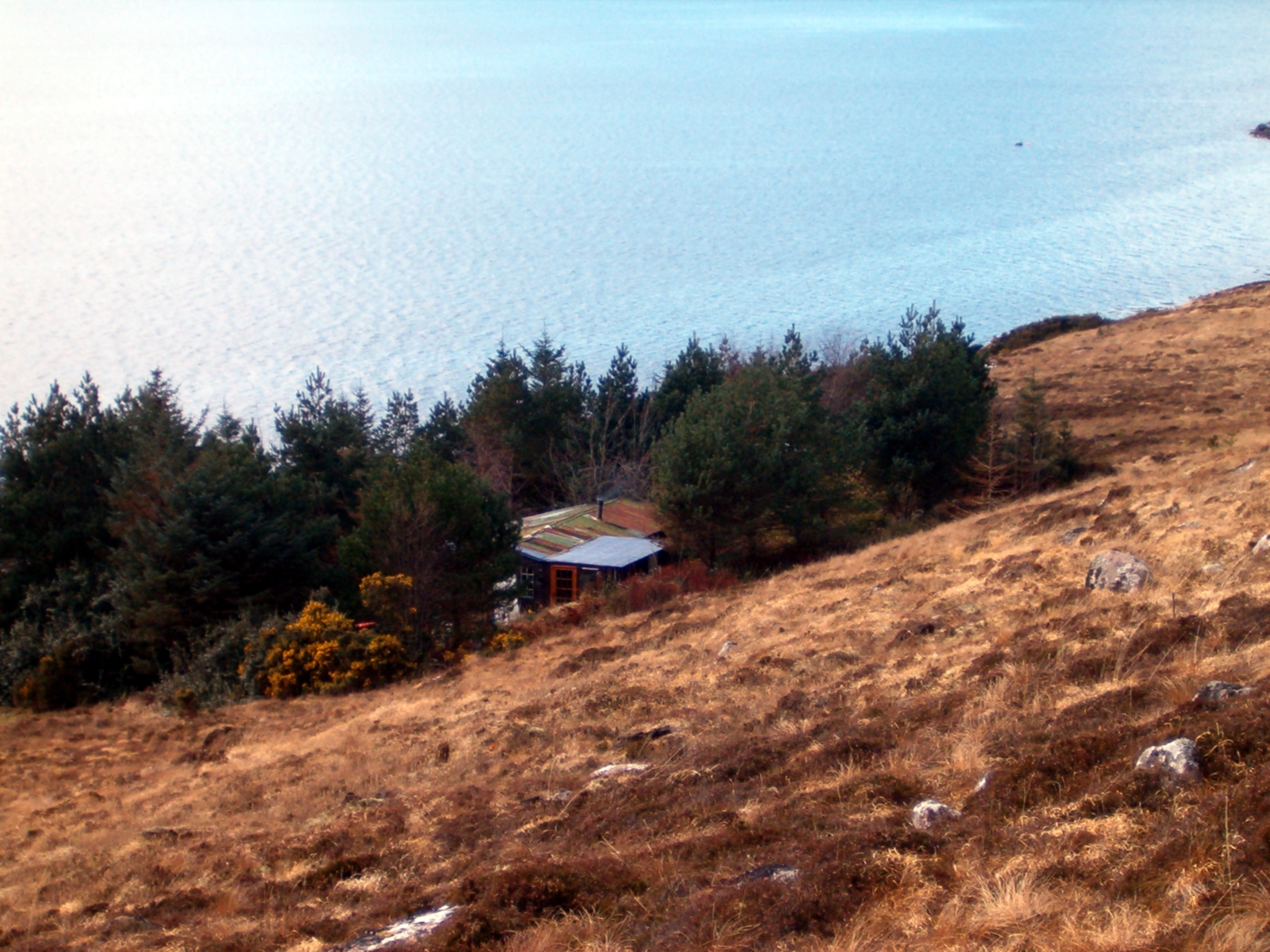
I was surprised and amused (bear with me you will see why) to hear an article on the today programme on Scoraig.  Scoraig is a stunningly beautiful but remote crofting community on a peninsular in the north-east of Scotland.  The only way in is a “ferry”, basically a large rowing boat with an outboard motor, or a long walk in (and it takes a long time to get to the walk start since the road is terrible).

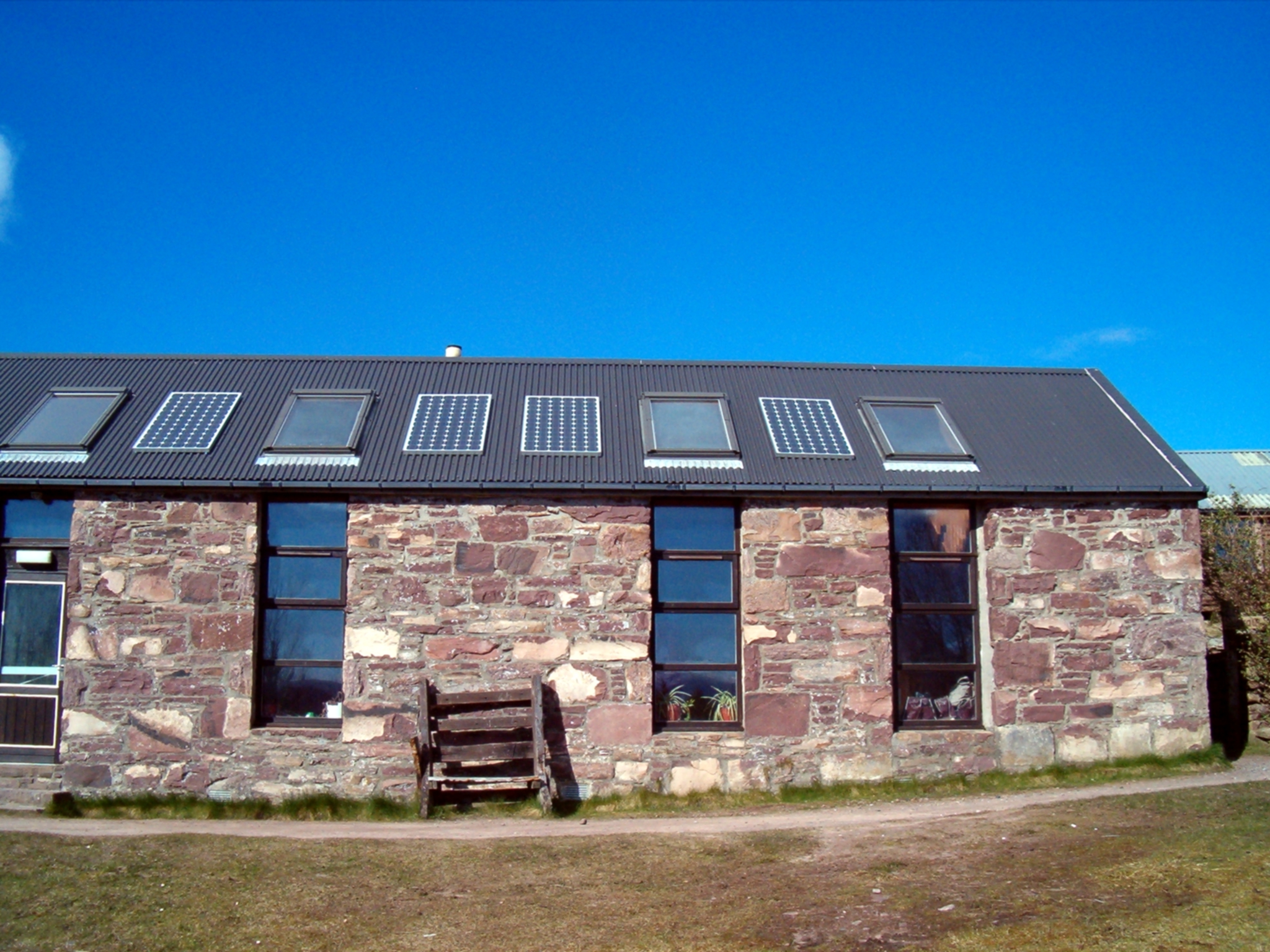
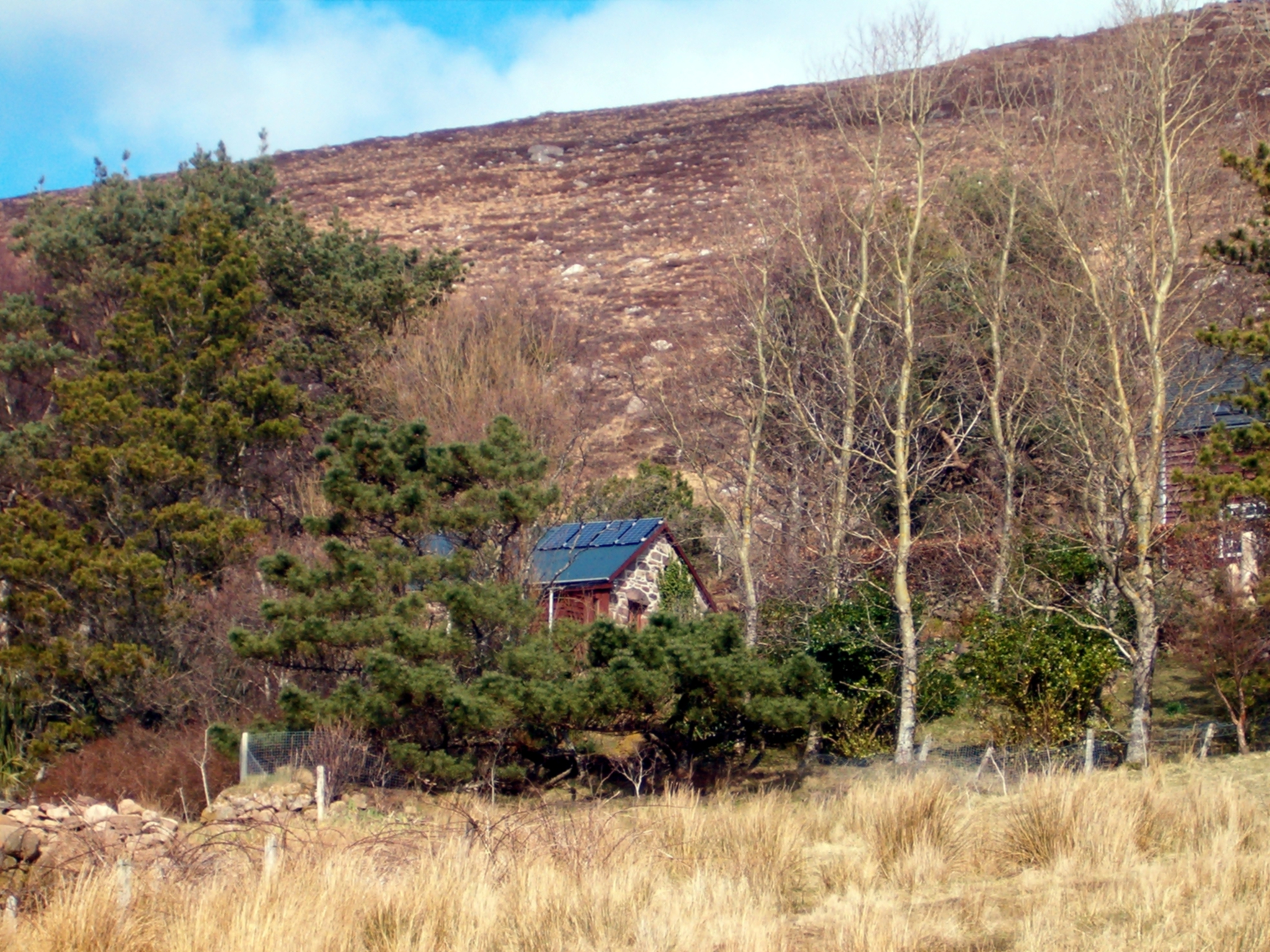
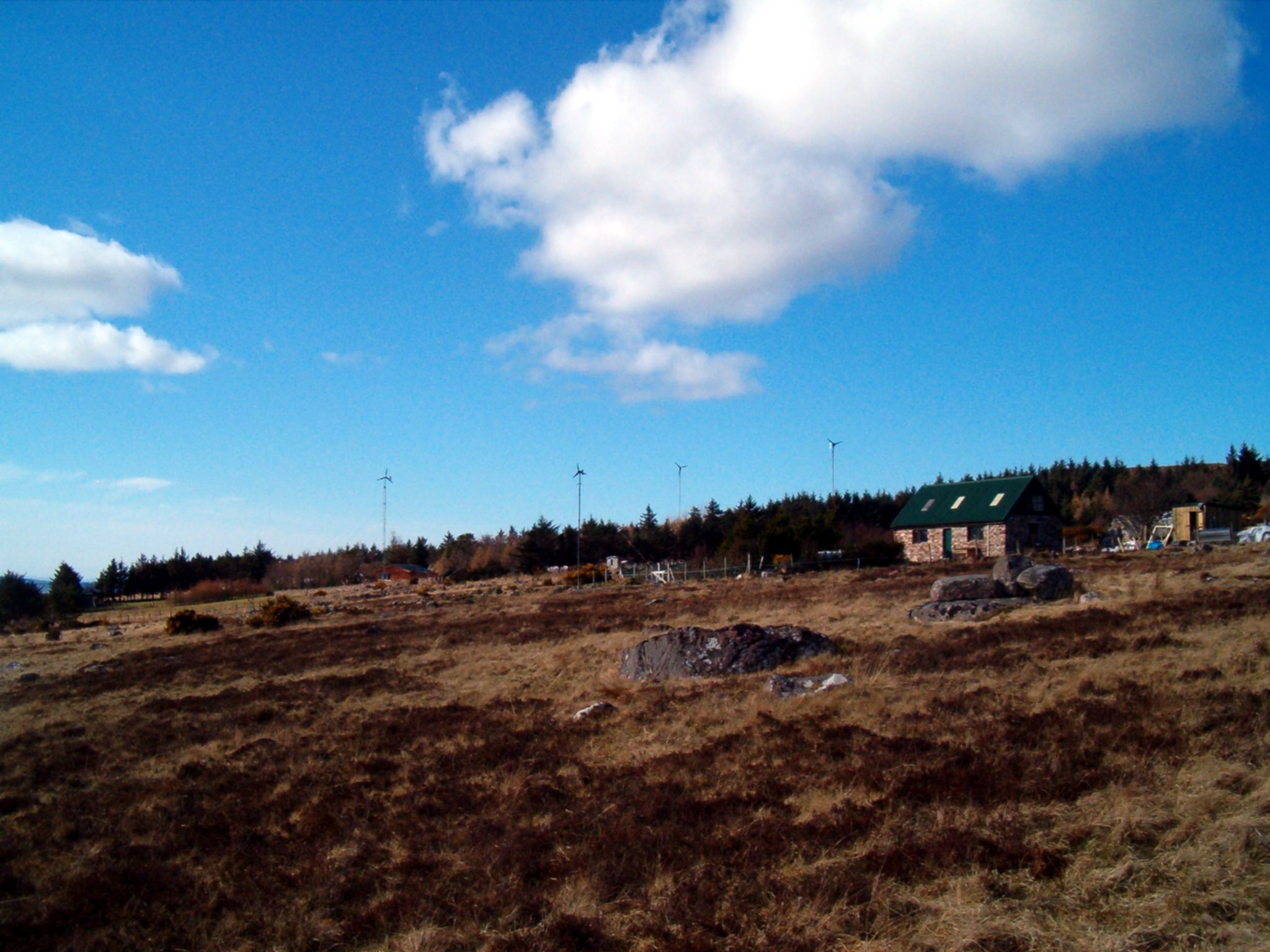
00011Scoraig has an interesting history on several counts.  At the beginning of the 70’s a Cambridge graduate called Hugh Piggott then part of the “back to the land movement” moved into Scoraig.  This was part of a general exchange of population I was told, the crofters sick of living without electricity moved out and the hippies who wanted the reverse moved in and took over their houses.  Connecting the community to the grid was too expensive.  After a few year Hugh thought he would like some power and looking around the most obvious resource was the wind.  Being an engineering graduate he built a wind turbine to charge batteries.  The first few were not very reliable but he has got better and better at it, runs courses and has been involved with at least one wind turbine manufacturer in Africa.

The community has gone from strength to strength.  Its very mixed.  When I visited there were still old hippies living in squalor without electricity and people who lived in very luxurious attractive houses.  There are now a lot of wind turbines and lots of PV’s and a little bit of pico hydro.  It has to be said on the quay I saw lots of bags of coal.  There are very few trees on the Scoraig peninsular but there were plantations of saplings to address this problem.

000140000500016The reason why it came up on the radio yesterday is because they have been advertising for a new primary school teacher but apparently not been straight with people about the remoteness of the community (although this advert seems quite honest).  I hope they find someone, its a beautiful place with people struggling to live sustainably like the rest of us.

00007

More info on Hugh Piggott here.

Neil


Posted in One thing we have learnt this week, Renewables | Tagged , , , , , | Leave a comment

An introduction to glycerol

Many years ago we went on a family holiday to York. Driving around the by-pass we happened to see a small scale manufacturer of biodiesel (from waste fat).  This was when biofuels were seen as the saviour of the planet, even by green groups. I stopped and had a chat with the woman in charge.  She asked me as a scientist what she should do with all the glycerol produced as part of the process.  I hadn’t a clue and suggested burning it (not such a great idea with hindsight).  This whole issue of waste glycerol disposal which Jeremy has asked me to write a guest blog on, raises some interesting ecological dilemmas.

Glycerol (also known as glycine) is a colourless viscous liquid with a boiling point of just under 300°C. Technically its an alcohol, with 3 alcohol groups on it, I would prefer to call it propan- 1,2,3-triol (see a) in figure 1)).

glycerol and family figure 1

Glycerol is becoming an increasing waste issue, since its a by-product of soap and biodiesel manufacture.  Chemically when triglycerides (fats or oils) are reacted with an alkali (figure 2. below)

Saponificacao

Glycerol is produced along with 3 long chain fatty acids (R is a chemists short hand for a chain of carbons and hydrogen atoms). The only difference chemically in making biodiesel is you add an alcohol to this mix as well.  This ends up bonded instead of the sodium to the fatty acid making an “ester”, which is chemically what biodiesel is.  About 10% of the reaction volume of the biodiesel reaction mixture ends up as glycerol.

There are essentially two options of how to deal with the glycerol glut.  Use the glycerol directly or make it into something useful.  Glycerol has in itself many uses.  Its used in food as a thickener and sweetener (E422).  It has various pharmaceutical uses (my Grandparents had some in bathroom cabinet).  Its used as component of the e-liquid in E-cigarettes.  Glycerol also now utilised by a company to produce electricity to power the formula E racing cars.  They have worked out a way to use it in diesel engines.

These above uses obviously mop a lot of glycerol up.  A more interesting proposition is to chemically modify the glycerol.  Reducing it to a diol with 2 rather than 3 alcohol groups present (b) in the figure 1, produces another set of compounds (either propan-1,3-diol (PDO) or propan-1,2-diol).  Propan-1,2-diol is used as antifreeze on aircraft wings and as lubricant for condoms, its also used to dissolve foodstuffs such as vanilla essence in. Both diols can be used to make plastics, PDO is regarded as more useful.

Another issue is how you convert the glycerol to the diols.  The traditional way is to use metal catalysts and loads of energy. However, increasingly the chemical industry is going biological.  This latter way uses either bacteria or their enzymes to convert glycerol to the diol by fermentation.  The advantages of enzymes are that they can be very specific and use a lot less energy.  I supervised a student project to try this since my bugs grew on glycerol (my idea was to make glycerol into electricity using bacteria). Unfortunately my bugs failed to make PDO from glycerol, possibly due the formation of a antibacterial intermediate called 3-HPA, or the presence of oxygen.  However in itself 3-HPA has a number of potential uses, not least as a potential food preservative.

Plenty of other groups have succeeded in using bugs to make PDO, Dupont are making it from glucose in the form of Corn Syrup.  This offers us the means of making plastics in a more environmentally friendly way and breaking our oil dependence.  Most plastics however are not biodegradable and a biological route only solves some of the problems with our plastic addiction, a bit like electric cars viz à viz oil based vehicles.

Very slightly modified guest post I did for Make Wealth History.

Neil

Posted in Uncategorized | Tagged | Leave a comment

One thing we have learnt this week -refugee crisis

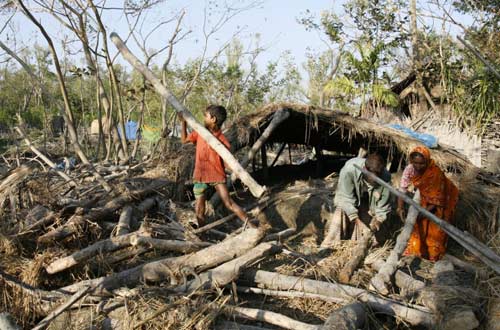
Bangladesh-climate_refugeeIs the current global refugee crisis going to be a picnic when compared with climate refugees? At the moment in the UK general election some surveys have immigration as the number one issue. At the same time thousands of boat people are trying to get across the Mediterranean and thousands have drowned doing so due to the inhumanity of human trafficking. Everyday being news reports of fresh human tragedy. As of 2013 the UNHCR says there were 51 million displaced persons worldwide due to persecution, war etc. This is the largest number since the second world war.

The first thing to say (contrary to belief) is most of these people don’t travel too far.  33 million of these displaced people are displaced in their own country (Syria for example). Then a number of others also don’t go too far, being in the neighbouring countries. Again to use Syria as an example 2 million Syrians are in Turkey, Jordan, Iraq and Lebanon. The problem that is overwhelming Europe is actually the tip of the iceberg and most refugees are a burden on equally poor neighbours. There are of course economic migrants from central America into the US and from Asia/Africa into the UK. The question is will man made climate change lead to an even worse problem of climate refugees?

Wild weather and rising sea levels could not only affect agriculture, but also cities, many of which are by the sea. Countries such as Yemen are running out of water (and oil). Potentially the number of people who end up as climate refugees could be much larger than the current 51 million currently displaced by war and that well known liberal/environmental organisation, the US military, is concerned that climate change will lead to more conflict. Part of the problem is we don’t know how many there are likely to be, but currently the UNHCR reckons there are 22 million environmental refugees already. The Nansen Initiative states there have been 1.6 billion people been displaced by natural disasters since 2000.

It seems likely that at first like today most people would try to move to other parts of their country and neighbouring countries like to today. Nevertheless with climate change disproportionately affecting the poorest countries first and with climate change having no borders it seems likely that the refugee problem is going to get far far worse. Future estimates are hard to come by but one is about 350m/year by 2050. The UNHCR seem reluctant to give figures, but see this as a very worrying problem.

The question is what to do about all this? The first thing to recognise is that we should try to stop the problem at source. We need a binding treaty in Paris to limit temperature rises to 2 degrees C, preferably less. However it does seem we are stuck with a certain degree of warming and hence climate chaos. The second strategy is that of mitigation. The rich countries are supposed to be setting up a climate fund to help with this regard, but most pledges have not been honoured so far (the UK being an exception). There is of course only so much mitigation that you can do against say sea level rise. If your country shrinks or disappears (as island nations in the Indian and Pacific Oceans seem likely to do) then mitigation will be of limited use. The UNHCR has a policy of keeping climate refugees as much as possible in their counties of origin. This may not be possible. The next solution is of course migration. In my view we have a duty to let people in, since we have caused the problem and they have not. But we need to have a discussion starting now about how many under what circumstances. There is one final issue, in 2050 we will have (effectively) run out of oil, travel will be much more expensive and limited. This works both ways both with migration one way and aid the other.

Neil

Picture from wikimedia commons.  This is a repost, but seems more urgent than ever.

Posted in Uncategorized | Tagged , | Leave a comment

Flight Behaviour review

flight-behaviorThere are not many secular books that bring Christianity and climate change (amongst other things) together but “Flight Behaviour” by Barabara Kingsolver is one.  I recently came across  this book and thought it looked interesting.  In “Flight Behaviour” the chief protagonist Dellarobia (who was trapped into a shotgun marriage to a dull but likeable husband) is on her way up to a remote hut in the Tennessee mountains to commit adultery with someone she barely knows.  She is is stopped in her tracks by millions of Monarch butterflies who it turns out have migrated to the wrong place due to climate change.

Before long Dellarobia‘s church, the local town, climate activists, sightseers and scientists are all involved in the story of the butterflies.  Science, faith and family secrets all unfold.  For someone who does not claim to be a Christian Kingsolver writes fairly convincingly about the church the family attend which I realised after a bit is an emerging or emergent church (cannot remember the difference).  She also writes convincingly about the inside of a lab and the science involved.  It turns out she studied a scientific degree and briefly worked as scientist.

I read Kingsolver’s factual  “Animal, Vegetable, Mineral” which was brilliant.   Did I enjoy “Flight Behaviour”?  I’m not sure its a book you are supposed to enjoy.   It could have been shorter.  I had to read it in small chunks, although its an easy read I found the subject matter heavy going.  The characters are believable, Dellarobia‘s best friend Dovey is priceless.  I fear its portrayal of small town Southern State America and its suspicion of outsiders, science in general and climate change in particular- was accurate; and its portrayal of the cynical media.  Other than climate change there is a little bit of mention of energy security, but not peak oil per se.

One bizarre aspect of the book was the strange character names.  Have you met anyone called Ovid, especially from the US Virgin Islands?  Finally flight Behaviour refers not just to the butterflies but is a metaphor for other aspects of the characters in the book.  I’d give it 6.5/10, not a book to cheer you up with hopeful escapism, but a worthwhile read all the same.

Neil

Posted in Book, climate change, Creation, Faith, Reviews | Tagged , , , , | Leave a comment

One thing we have learnt this week-wilderness

Wonder_Lake,_DenaliTheologically wilderness has always had a strong role in the bible.  From Exodus to Jesus’s 40 days in the desert its there.  As my Bible dictionary says of the Exodus period;

Theologically, the wilderness period became the dual symbol of God’s leading and providing and man’s rebellious nature typified by the Israelites.

Jesus’s time in the wilderness was the same he was tempted by the devil and had to rely on God and scripture.

All this came to mind when I was reading about the threat to the Alaskan wilderness from oil drilling yesterday.  Despite the oil drilling that went on the 1970’s (whose fields are in decline) most of Alaska is pristine wilderness inhabited by moose bears, polar bears and of course mosquitoes.  President Obama has just allowed exploration drilling of the north coast for oil and there have been protests as Shell sends a rig to the Arctic.  But the real prize is the onshore drilling, in aeras given some protection as a refuge but not having full national park status.  Its this that big oil and its political supporters want to get their hands on.

There is little in the way of true wilderness left.  I would say I have been to some in Scotland and in Cradle Mountain Tasmania.  Both of these examples however cannot not be said to be unaffected by man.  Although in both I have seen the wonder of God’s creation.  This leads me to think that some places such as Alaska should be off limits to drilling.  After all we cannot afford to extract every last drop due to climate change.  Some places should be left as wild as possible. Maybe we should trust on God’s provision without extracting all the oil.

Neil

Posted in climate change, Creation, Nature, One thing we have learnt this week | Tagged | Leave a comment

The oil price falls yet again

oil and gas price projectionsThe oil price falls yet again.  This time the latest drop is due to what is happening in China.  This site has put various theories for the oil price falls over the last year.  A price fall that took almost everyone by surprise, including us.  Yes the US Shale oil production rise has been huge.  However, in the past the Saudis have cut production to raise prices.  This time they have not something which is beginning to look difficult for them.

Currently with a possible economic crash in the offing the oil price falls look set to continue for some years.  This is both good news and bad news.  Its bad for frackers and bad for the future oil supply since investment will be low.  Bad for renewables potentially, although prices are still falling fast.  Certainly bad for nuclear power. Probably good overall for the climate since a slow down will mean less energy use (although getting an agreement in Paris maybe harder).  Good for food and energy prices, which is good news for the world’s poorest. Etc etc….

Its looking like, although peak oil is not dead (obviously), the oil price will be low for some years yet.

Neil

Posted in Fracking, oil prices, Peak oil, Uncategorized | Tagged , , , , | Leave a comment