The Eco Holiday

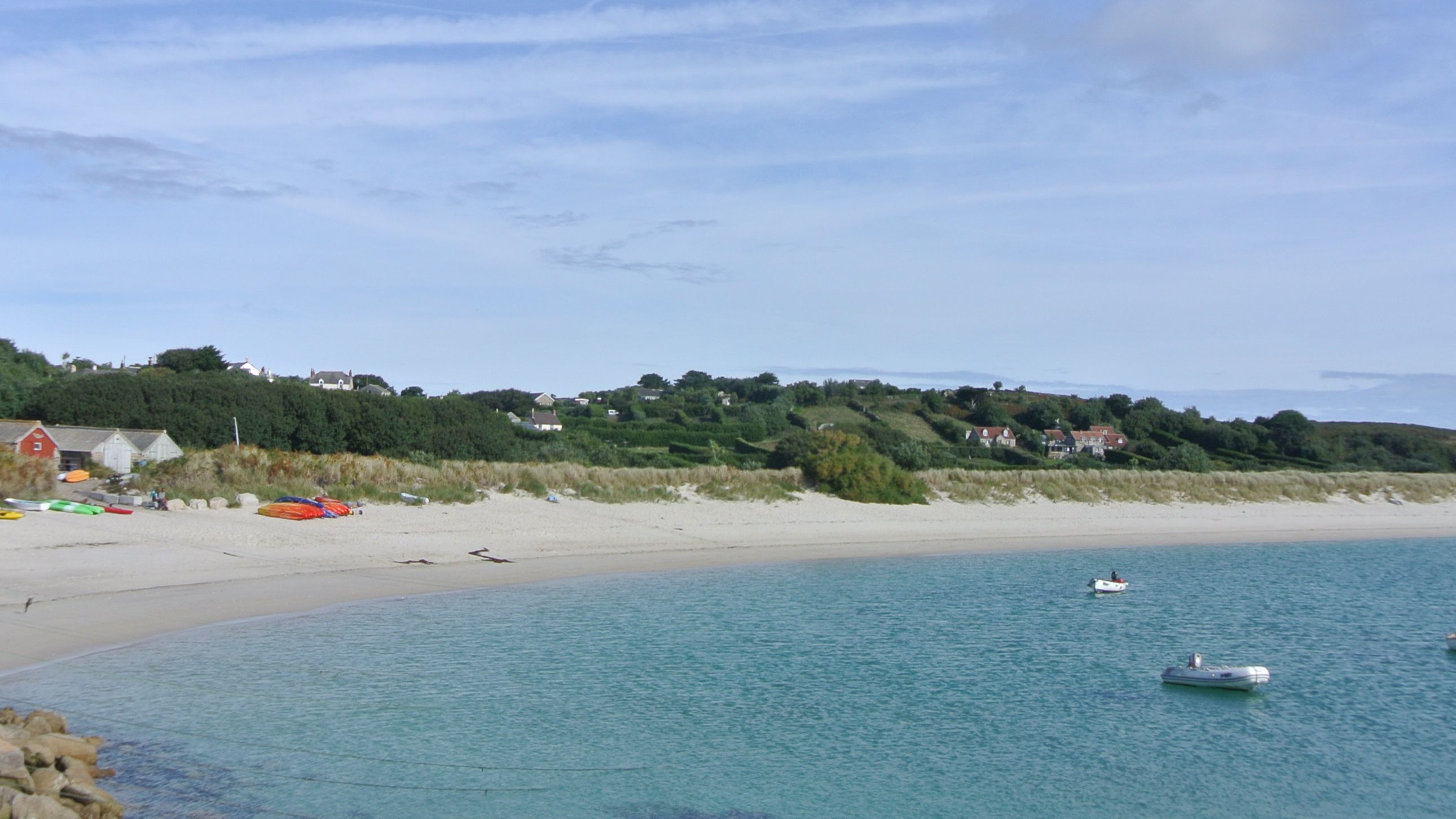
DSC_4179We have just been on what could be described as an eco holiday.  Train travel from within walking distance of our house to a ferry, camping (mainly) and return travel by train.  No flying, low impact.  Destination the Scilly Islands.  What can we learn from our trip in eco terms?  It was a very good holiday in other terms.
1)  There is no such thing as an eco holiday.  Whilst ours was as low carbon as possible there is no way you can do no damage to the environment.  Even by staying at home.  The aim should be to minimise damage rather than pretend its not happening.

2) Such a holiday does involve a degree of sacrifice.  The train journey involved 12 hours of travel.  A friend said why don’t you fly?  I wish I could say that everything went smoothly but our train journeys out and coming home were a bit of a nightmare and took 14 hours.  In addition as per usual it would have been cheaper to fly.

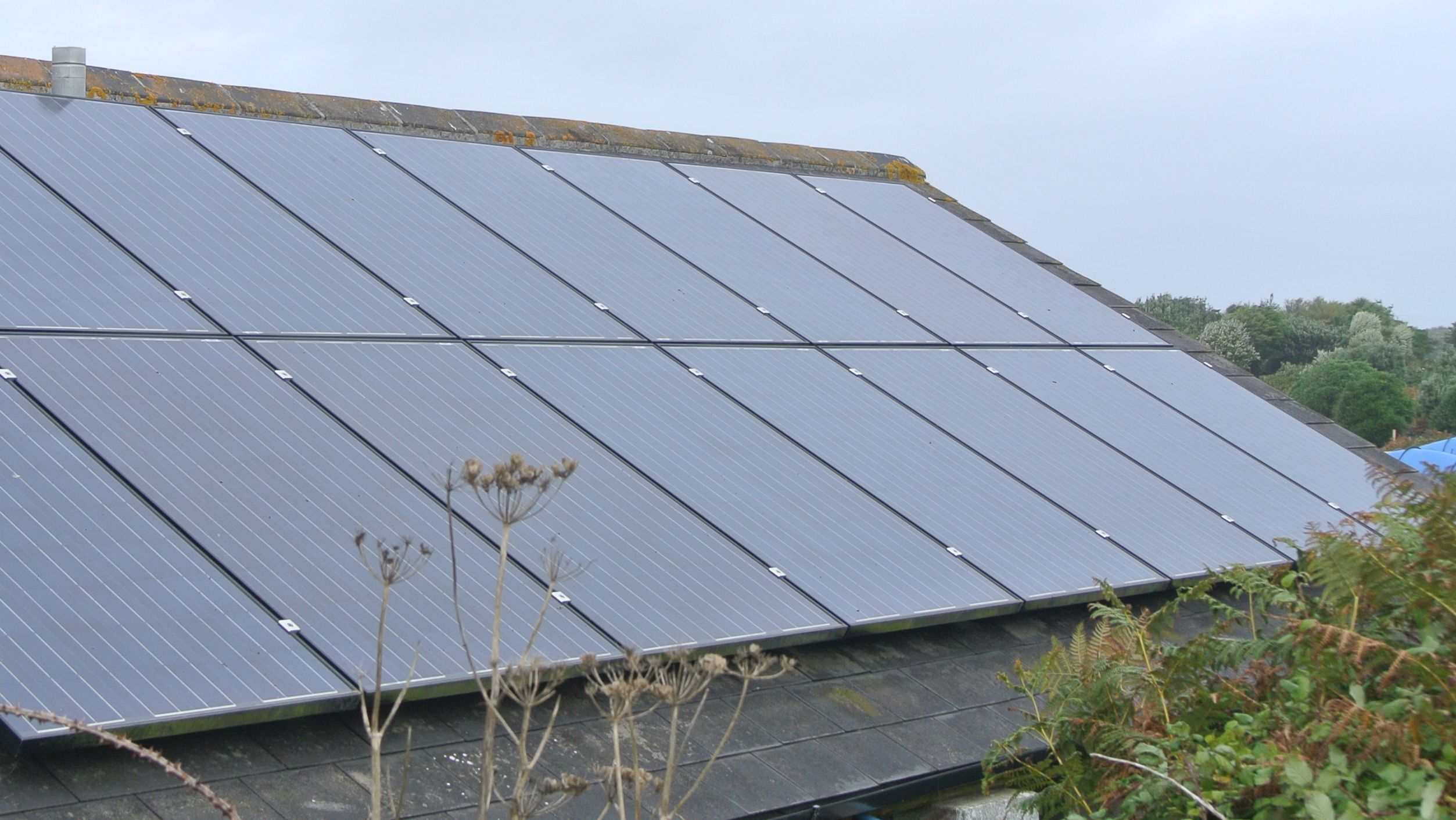
3) You can only go so far along this route.  You are dependent on other people and how they behave.  The campsite, the BandB and the pub/hotel as well as activities.  Where they get their electricity/food from?  How they recycle?  All this is a bit difficult to judge in advance in most cases.  Some research is possible but not down to nearly the last detail.   That the campsite on St Agnes had solar panels on the roof of the toilet block was a pleasant surprise.

DSC_4304Last year we went on a pilgrimage walk that was nearer and involved less in the way of train travel but involved staying in BandB’s rather than camping.  The two holidays probably had the same level of environmental impacts.

Neil

Posted in Intentional living, Lifestyle, Practical low carbon living, tourism, Transport, travel, Uncategorized | Leave a comment

One thing we have learnt this week – we need to talk about endless growth

pulsesWe need to talk about endless growth.  George Monbiot wrote a typically provocative article this week looking at the idea of endless economic growth and the damage it would do to the planet.

I don’t agree with everything he writes but on this he is right.  Endless growth is not possible on a finite planet.  What precipitated this article was the OPEC annual report this week.  This suggested that oil demand was going to rise until at least 2030 due to plastics and air travel.  In addition electric cars would still be in a minority and not cut oil demand at all.  US fracking would drive supply and not peak until the 2020’s.

What George pointed out was that its impossible to do anything without damaging the planet.   So he gave the example of an electric car.  This takes resources (and as he did not point out energy to make).   The problem is both worse and in some ways more hopeful than he wrote.

On the worse side of the argument its not as simple as merely replacing one thing with another.   So for example plastics with bioplastics.  The bioplastics have to have some kind of resource to make them (probably plant material grown in a field).  Even using waste plant material would we have enough and would this denude the countryside of compostable material?

On the positive side there are beginnings of moves afoot towards the circular economy which is the only possible solution towards this.  We need to reuse everything we make and design we use in from the start (and great longevity and repair).  In addition the oil price is moving up again which does at least make the alternatives far more economically viable.  There are some solutions and we looked at these and the possible economics in our book.

Nevertheless we need to start having a conversation about a very difficult concept making do with less which is not a solution as such, but seems inevitable.

The George Monbiot article can be seen here.

Neil


Posted in One thing we have learnt this week, Peak oil, Practical low carbon living | Leave a comment

One thing we have learnt this week – climate change is bad for crop yields

wheatClimate change is bad for crop yields.  That much has been shown to be true his week.  We have had a fantastic summer (now firmly over in this part of the Northern hemisphere).   But crop and animal feed yields have been badly affected, not just in the UK but in many parts of the Northern hemisphere.  Wheat yields could be well down in both Russia and the Ukraine as well as other places.  The situation was complicated since the crop yield could be OK but the protein content affected.  Almost every crop in the UK is said to be affected by the hot dry weather and not in positive way.

A number of years ago a right wing American think tank (I believe the American Enterprise Institute) ran an ad campaign along the lines of “they call it pollution we call it fertilizer” stating the scientifically illiterate idea that climate change would increase crop yields due to the increased CO2 levels increasing photosynthesis.  Its complicated but this has been found to be untrue.  In any case this ignores the other problems to do with climate change.  That is the change in weather patterns not just temperatures.  When you think about crops have to survive the following wind, sun and rain.  The problem with climate change is that the same crops could have excess of the all the above in any one growing season.  You can use classical breeding techniques, GM or CRISPAR-CAS9, but engineering resistance to all three will be tricky.  So climate change is bad for crop yields.   The above idea also ignore the effects of warmer weather on pests and diseases as well.  Like many problems related to climate change what we do about this is another matter?

Neil

Posted in climate change, Food, One thing we have learnt this week | Tagged , | Leave a comment

One thing we have learnt this week – does “no wind” matter?

walney 1 and 2Does “no wind” matter at least in summer?  Are our summers getting calmer?  The UK’s renewable data has been released this week.  It shows surprise surprise we had a calm summer with little wind.  We had lots of hot still weather with lots of solar output.  But this did not make up for the lack of wind.  Most solar installations are small and most wind installations very large.  This has been an exceptional summer.  The question is with climate change will it become the norm?  I don’t know.  But with our having barely having scratched the surface of potential solar installations calm conditions in summer could be a benefit.  One potential problem as we have covered before on this blog is what to do with excess power.   The UK is building masses of new inter-connectors but will the rest of Europe want our power in summer?   Possibly not.  In principle climate could make the atmosphere more disordered meaning more wind (not always a good thing).

Does “no wind” matter?  I’m sure that’s one question we should answer, the next question I would want to ask is solar output falling.  I have raised this question before on this blog.  Certainly my solar output seems to be in long term decline (just had a terrible August worst ever) which the great summer does not make up for.  Again this fits in with climate change as you would expect more water vapour to end up in the atmosphere.  What we need is plenty (but not excessive) wind in winter when there is little in the way of solar output.

Neil

Posted in climate change, One thing we have learnt this week, Renewables, Uncategorized | Tagged , | Leave a comment

Is there enough action on climate change?

Day 2 006 smallIs there enough action on climate change?  In the third of my posts on what I think are the world’s most pressing environmental challenges.  Climate change is the last but certainly not least of these.  In 2015 I cycled to Paris to lobby the world’s governments.  The agreement was much better than we hoped or prayed for.  Nevertheless is it enough?  It commits countries to do something, but not in a legally binding way.  Countries have pledged cuts but these cuts would not keep the temperature rise by 2050 to below 2°C.  They would lead to an increase in global temperatures.  There would also not be enough of government action.  We really need governments to regulate and the private sector to innovate.

On the positive side renewable energy costs/electric vehicle costs and battery costs continue to fall.  Governments other than the US remain officially committed.  Growth of wind and solar continues apace. Institutional investors continue to divest from fossil fuels, most recently the Church of England.  The European oil companies have pledged cuts in carbon emissions.  (Perhaps these last two sentences are somehow related).  Electric cars sales are growing very strongly in Europe.

The problem is governments are too cowardly to act.  Targets are always a long way off.  At the moment the Scottish Government is musing whether to pledge a 100% reduction by 2050 or a 90% reduction in emissions.  They are tempted by the lower one but lobbying including from my church is going on.

Is there enough action on climate change?  Not at the moment.  If you care then lobby politicians in your country and continue to make changes to your lifestyle.  All our futures depend on it.

Neil

Posted in climate change, Uncategorized | Tagged | Leave a comment

Looking at plastics

petLooking at plastics, the second of our big environmental problems.  The first thing to say is the problem is an enormous one.  Its really not possible to go anywhere without seeing plastic waste.  The plastics problem falls into two parts.  Firstly the plastics themselves which for the most part due to their linear molecular structure are not biodegradable.  At least only over the very long term (1000 years or so give or take) although weather and UV light breaks them into small pieces – unfortunately.  The second problem with plastics is the plasticisers added to give the plastics specific properties such as softness, hardness etc.   These smaller molecules leach into the environment and could be having biological effects on us and animals.  We have all seen pictures of animals (particularly sea life) with plastic wrapped around them or having swallowed plastics.  The really bad news is that microscopic plastic particles are in the food chain and we are eating them.

The good news is that there is a real political will to tackle this problem.  Increasingly governments are banning or taxing plastics of various sorts.  Since certainly in the UK you cannot go anywhere without seeing plastic litter, its a bit difficult for politicians to deny the problem exists.   Technology is catching up.

I worked in the same building as a company developing a “plastic” wrapping material from shellfish that is biodegradable.  Other companies are developing bioplastics and there is news that bacteria have been discovered that will break down some plastics.  Scientists have also discovered some ways of chemically degrading some plastics to make new raw plastic materials.  At the same time other companies and individuals as I covered on this site have worked out ways of using plastic in road building (it even prevents pot holes).  Some big food retailers have pledged to get rid of all plastic on their own brand labels.  I buy chocolate that comes with an inner rapper that looks like plastic but is biodegradable cellulose.  There is company near me that makes completely biodegradable cups.  I think in 5 years time we will at the very least have a lot less plastic packaging of all sorts and a large number plastic free isles in supermarkets at the same time big strides will have been made into recycling plastic better.

The really big problem is not so much of how not to create more getting into the environment, but to recover what is already out there.  The big bits (anything you can see) in theory could be recovered although the task is on a vast scale (people are working on this).  Recovering the  microscope plastics is in the realms of science fiction.  That is why we need to all try to prevent any more getting out there – fast

The

Neil

Posted in plastic waste, Practical low carbon living, Uncategorized | Tagged , | Leave a comment

One thing we have learnt this week – is a healthy diet sustainable?

last subsistance lunchIs a healthy diet sustainable?  Listening to the radio this morning there is a new diet and health study out that suggests diets (such as the Aitkins) that substitute protein and fat for carbohydrates may not be good for you.   There is no doubt that excessive sugar consumption is not good for you.  Whilst the lipid hypothesis for the causes of coronary heart disease is being questioned by many substitution of carbs by meat protein will certainly have detrimental effects even by if by just skewing your metabolic balance.

There is of course a general sustainability question regarding meat.  It produces a lot of carbon emissions as I have blogged on before.  In addition in the future we will struggle to produce enough meat globally to allow everyone to eat a “Western diet”.  The solution is as the report alluded to above is to eat pulses, nuts, fruit and vegetables.  Along with oils such as olive oils.  This allows a reasonable intake of protein (lentils are closest in level to meat) whilst definitely not having associations with heart disease.  You do however need a source of B vitamins (especially B12).  There is one final thing to add a widely varied diet with a varied intake of fruits, vegetables and some meat has a very positive effect on your microbiome (bowel health) which is recognised now to have a whole series of effects on your general health.

Is a healthy diet sustainable though?  Eating a healthy diet requires eating a varied food intake from around the world.  Diets such as the Fife diet rely on the opposite.  This is still something I’m exploring.

Neil


Posted in Food, One thing we have learnt this week, Uncategorized | Tagged , | Leave a comment

particulate pollution

DSC_2911Last week I wrote a short blog on what I thought the three most pressing environmental problems were.  For all three I gave a brief assessment on the will to deal with them.  In no particular order I decided to deal with particulate pollution first.  This is in part due to several things I read in the paper.  The first is that air pollution is linked to changes in heart structure.  Its been known for many years that particulate pollution causes heart disease now a recent study may suggest why.  The second is my councils potential new transport strategy.

Its obvious that most pollution is caused particulates from transport (mostly diesel) with some contribution from other combustion such as open fires/wood burners and gas central heating systems.  The political problem is considerable.  Governments/councils are frightened to take on the motoring lobby.  They have hidden behind blaming wood burners.  They have also promised a transition to electric vehicles.  Wood burners make a contribution (or at least wood burning does, it may be open fires) although there are many more cars on the road than wood burners or open fires.  Switching to electric vehicles will help but 50% of the particulate pollution comes from the tyres/brakes/road etc so this is a help but not a total solution.  Also as we pointed out in our book electric vehicles don’t solve the shear unpleasant nature of traffic infested cities.

Edinburgh council is bravely preparing to take on motorists with a plan to severely restrict cars in the centre of the city thus reclaiming the streets for cyclists and pedestrians, as well as public transport.  Edinburgh is a growing city with an increasing number of tourists.  At the moment the city is rammed full of cars (most driven by local residents but also some tourists).  The only solution to particulate pollution and traffic volume is to ban cars from the city centre, encourage cycling and improve public transport.   The council is going to start with a series of car free Sundays (this will affect my church so I will see the effects first hand) and consulate the public on further measures to extend the ban more permanently.

Neil

Posted in air pollution, Practical low carbon living, Transport | Tagged | Leave a comment

One thing we have learnt this week – climate change is bad for your health

Hotel_Baron_thermometerClimate change is bad for your health.  The whole of the northern hemisphere has been suffering from a heatwave this summer.  The technical cause is the path of the jetstream.  However the path of this is affected by other factors – its complicated.  What’s not so complicated is the outcome.  Very high temperatures.  Records have been broken in Japan and almost in Europe.  In southern Europe and California and even inside the Arctic circle in Sweden there have been very bad forest fires.

Its not just trees that are dying though.  Or animals.  Humans have been dying as well in large numbers.  Climate change is bad for your health.  Not just your mental health as we looked at in recent post but physical health as well.  The health system in the UK has been operating at winter levels and there have been lots of deaths even in countries which are more used to the heat.  Its obvious that if you are elderly or younger with a variety of underlying health conditions extreme heat conditions are not good for you.

What makes the situation more difficult is when the temperature doesn’t drop at night.  People in Portugal who are more used to the heat were being driven crazy by the night time temperatures a few weeks ago*.   All this is yet another reason to act as these very hot summers become the norm.

Neil

*In Germany a store was selling people time in a walk in freezer.  Not very eco friendly.

Posted in climate change, One thing we have learnt this week | Tagged | Leave a comment

Three pressing environmental problems

00005_optHearing an article on the news on plastics the other day got me thinking about I thought were the three pressing environmental problems.  I came up with plastic pollution,  Climate change (obviously) and particulate pollution.  I’m going to have a look at each one in separate blog posts first looking at particulate pollution.  But considering each one is there a political will to deal with and societal will, which there has to be in every case since significant lifestyle changes are inevitable?

I think on plastics there is.  There are an increasing number of techno fixes and there is massive public backing for solution to what is partly a litter problem caused by a small minority.  “Blue planet” really did have an effect.  I think in 5 years there will be huge progress on sustainable alternatives.  The huge problem will be dealing with what’s out already there.

On climate change we are half way there.  There is a good deal of political and societal will but not enough.  Some people think this summer’s northern hemisphere’s heat wave is a tipping point.  I hope they are right, but such moments have been predicted before.

On the last of our three pressing environmental problems particulate pollution I think we have a long way to go.  For the most part we are talking about traffic pollution although in India and China there are other causes such as coal and wood burning combined with other natural sources.   Governments reaching are for the electric car as a solution.  This is only a partial one.  We will start looking at this most pressing of problems first with an proposed scheme in my city of residence.

Neil

Posted in air pollution, cars, climate change, Uncategorized | Leave a comment